
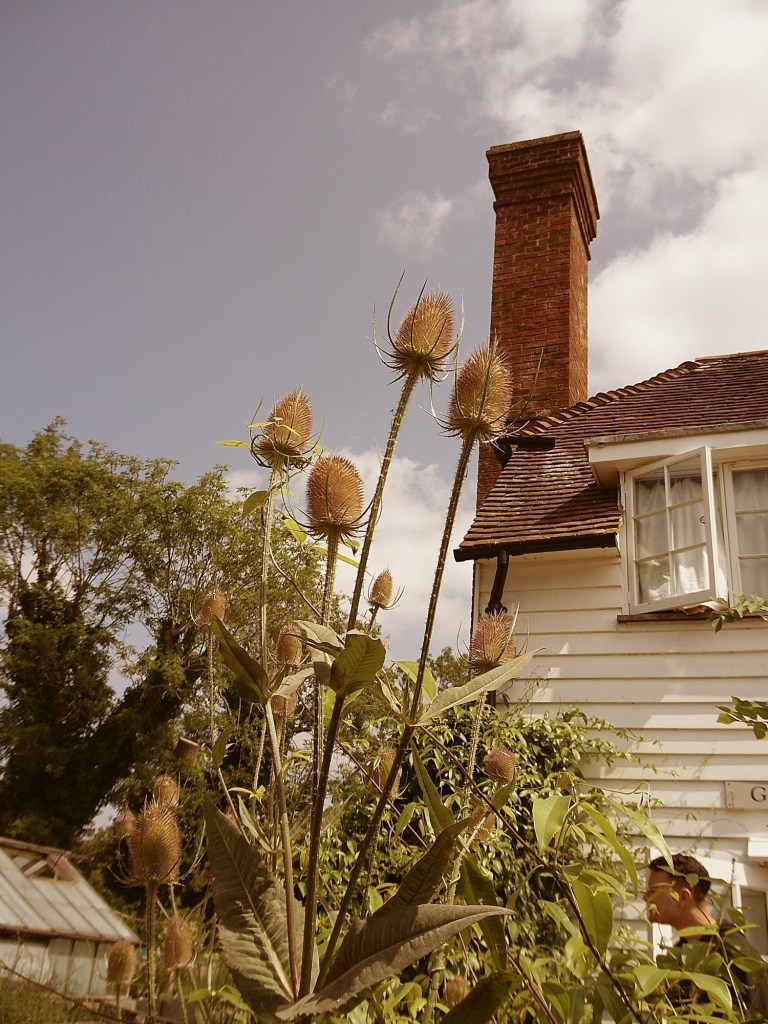
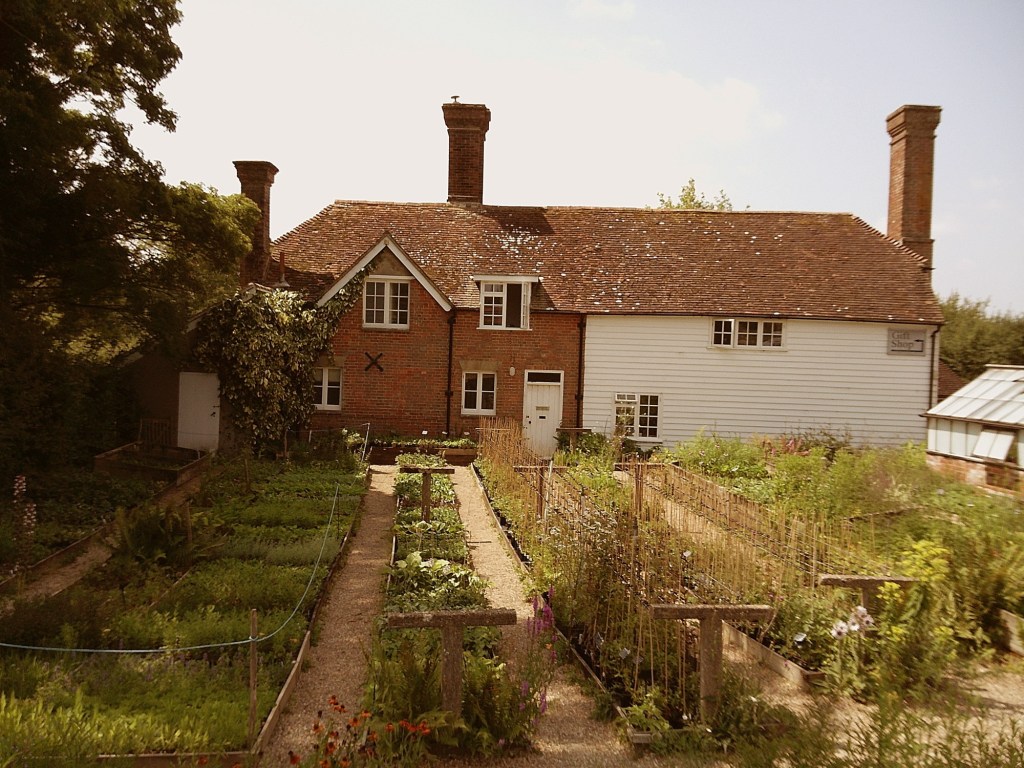
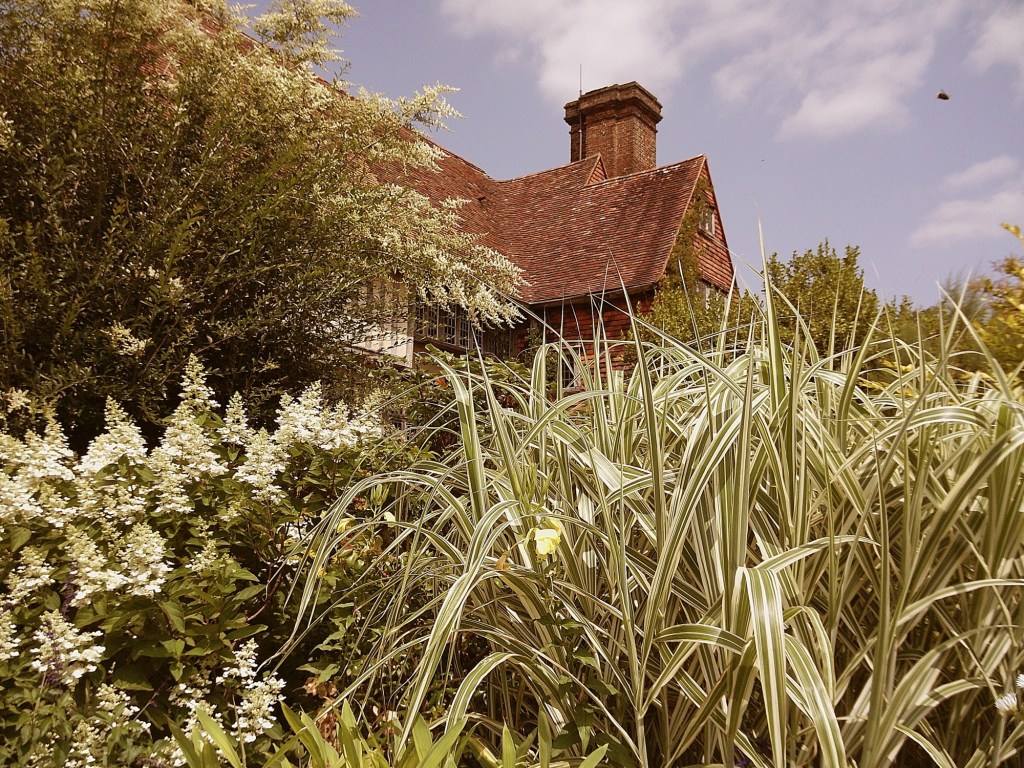
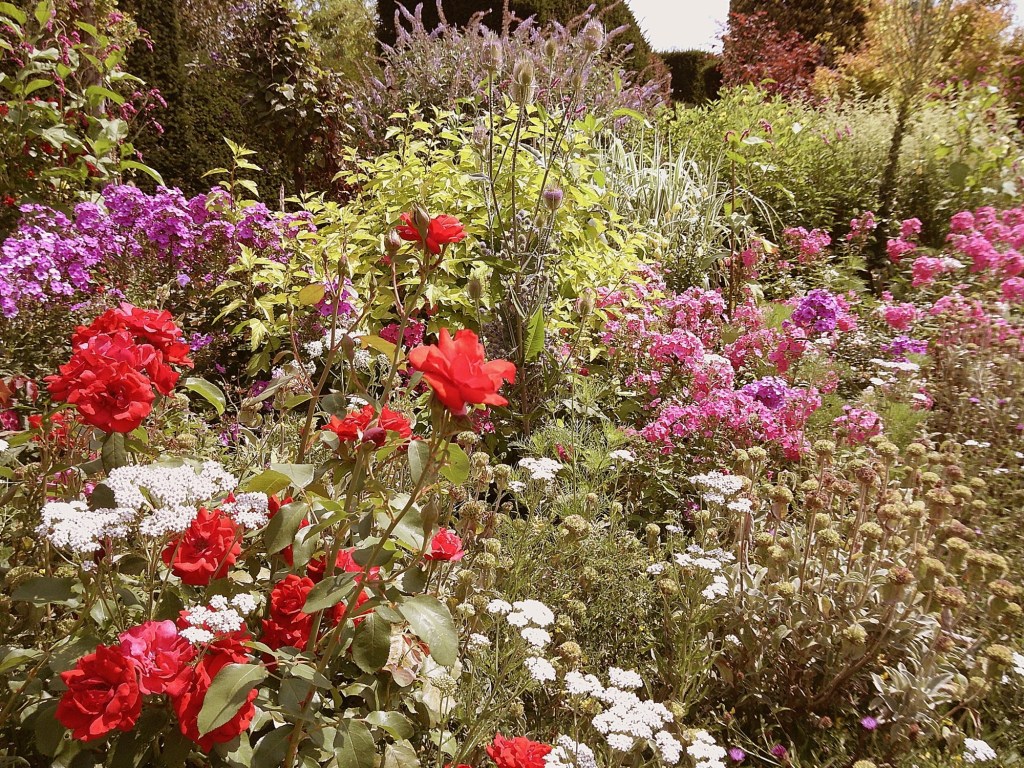
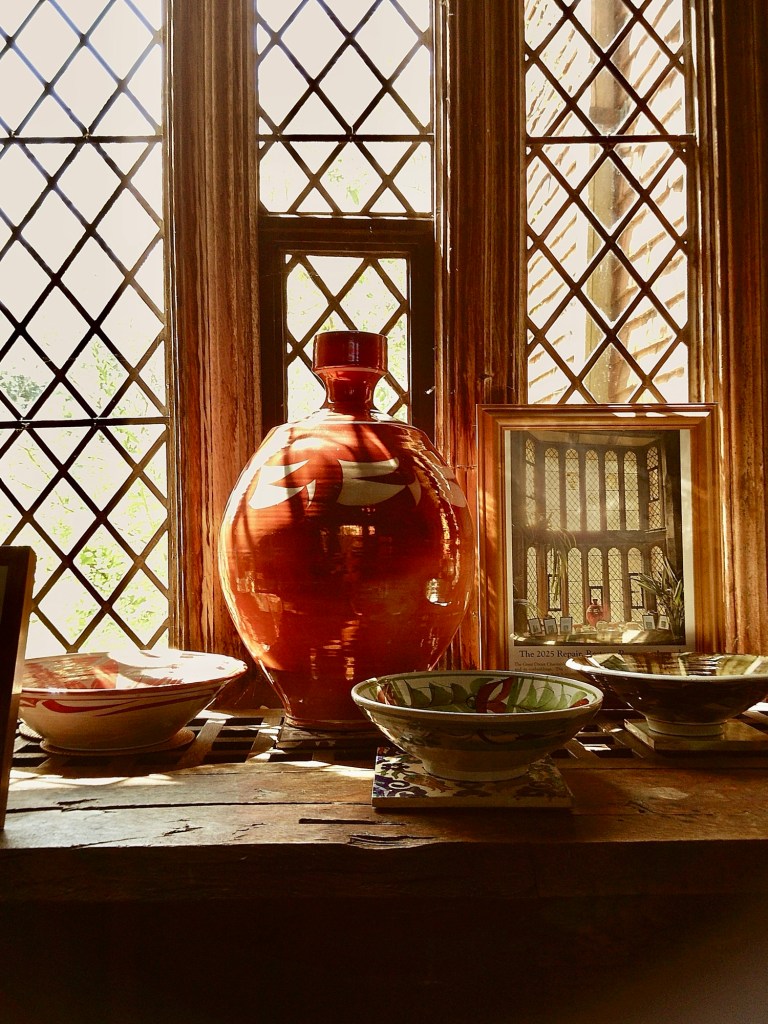
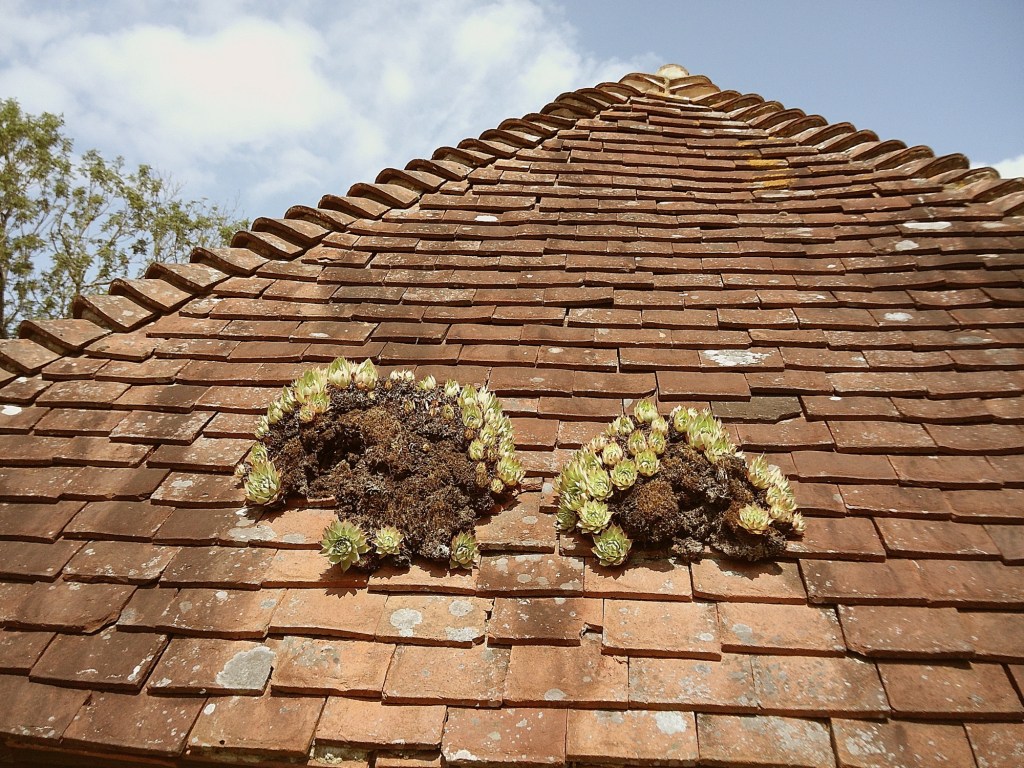
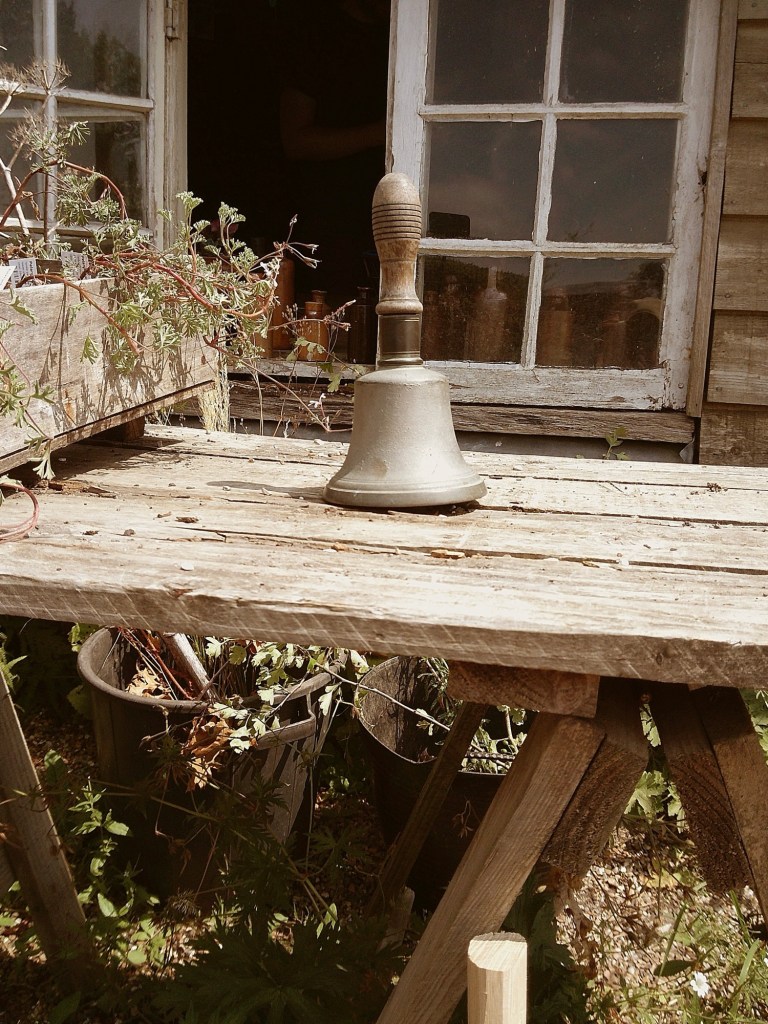
Great Dixter has stood since the fifteenth century, a great rambling country pile surrounded by seventy-two acres of land. The house, carefully restored by Sir Edwin Lutyens in 1910 to reopen the Great Hall, Solar and Parlour, is certainly worth a visit, particularly for the way the architect also included twentieth-century flourishes. But the thousands of folks who visit Great Dixter every season treat it as a decidedly second-place attraction. Like us, they’re here for those grounds and the incredible gardens they contain.
The gardens are the work of Christoper Lloyd, (no relation to the guy who played Commander Kruge in Star Trek III or Judge Doom in Who Framed Roger Rabbit). He was an innovator who reshaped the way we think about and look at gardens. Even today, his influence leaks into every aspect of modern horticulture. In short, you can take yer Monty Don and yer Alan Titchmarsh and yeet em over the nearest available ha-ha. Lloyd was the real deal, and Great Dixter is his extraordinary legacy.
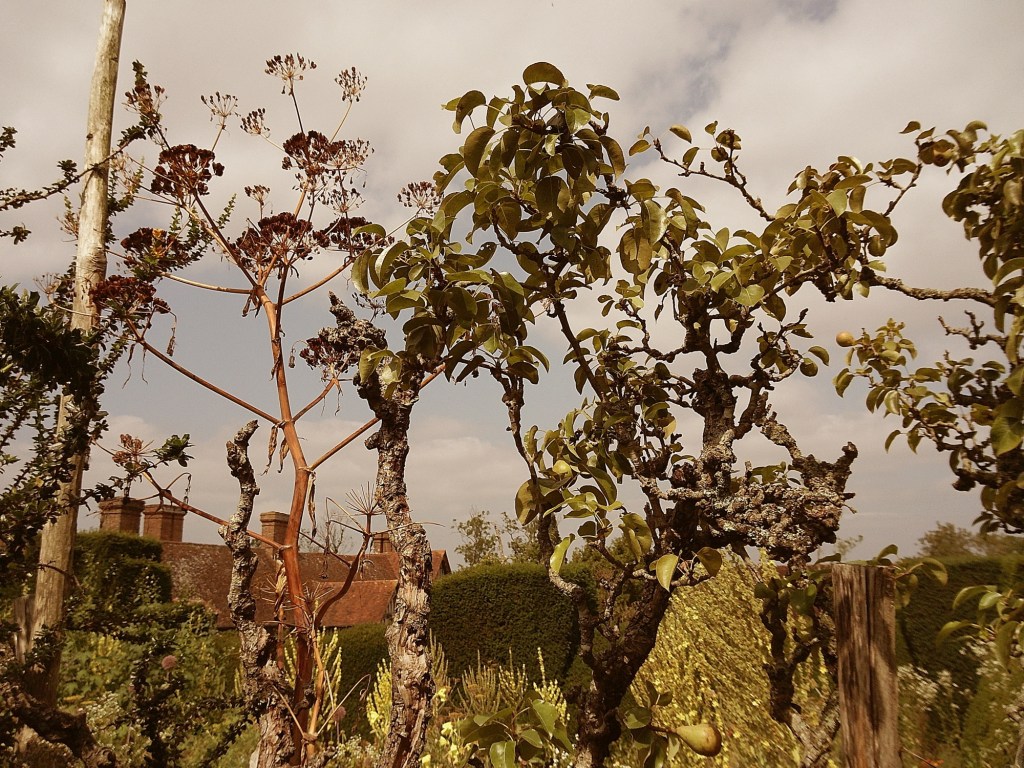
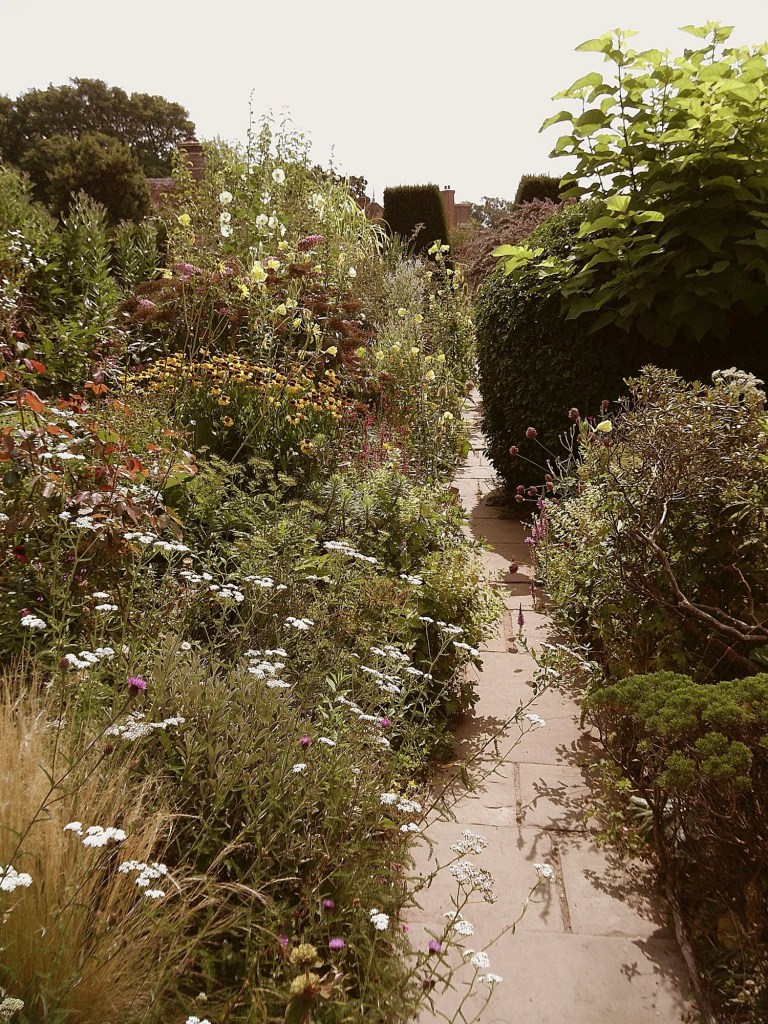
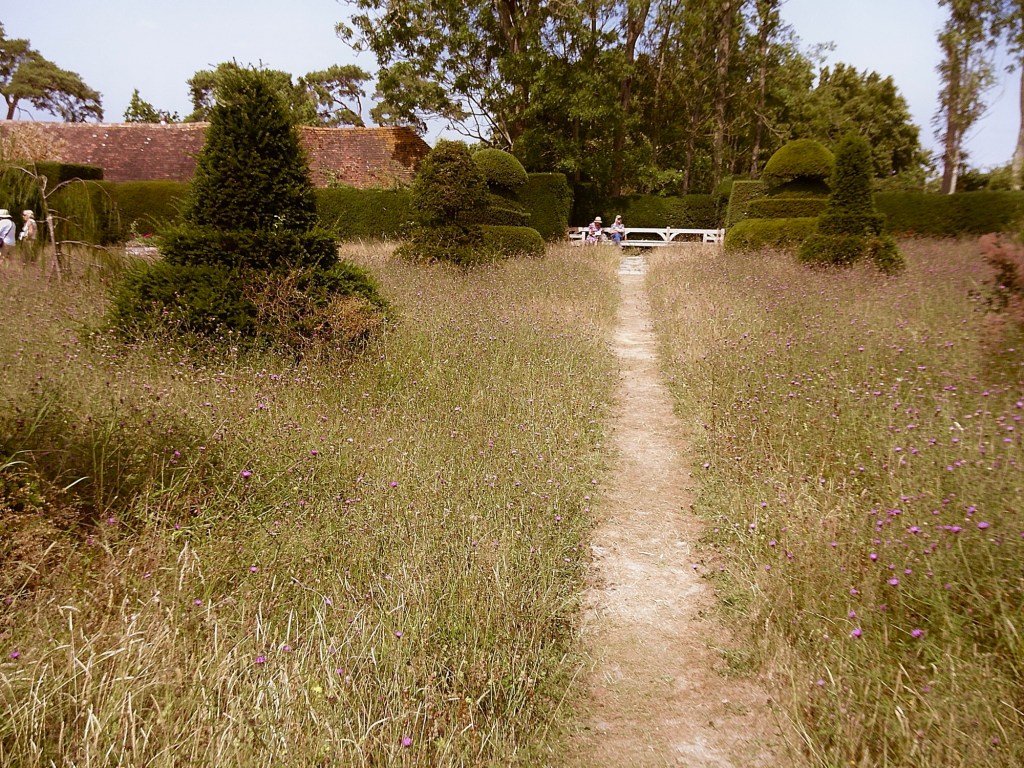
To say his approach was maximalist is equivalent to calling an elephant a bit chonky. Lloyd did not care for formality or restraint. He’d jam plants in wherever there was room, and often where there was not. But there’s always reason and purpose underpinning the madness. Great Dixter has structure and rhythm, flow and movement. You drift through interconnected rooms, each one rich in vibrant colour and exuberant layout. Lloyd delighted in topiary, and giant monoliths in yew are everywhere, dotted through the landscape like pieces in a curious game of alien chess. There are ponds, meadows, a sub-tropical and a sunken garden. The foliage often spills onto the narrow stone paths, forcing you to push your way through, encouraging you to interact, hand in hand with Lloyd and his vision.
Great Dixter is a haven of bio-diversity, hosting over 2000 varieties of flora and fauna. You will see plant species unfamiliar to you, alive with activity from all manner of pollinators. No-dig is a mantra here, cutting down on water and compost use—a very sensible and prescient move from the team at Dixter, led by Lloyd’s friend and protege Fergus Garrett. The meadows were a bit on the brown side when we visited, under the heatwave which is still bearing down on the Garden Of England like a huge sweaty palm, but otherwise Dixter seemed fresh and gloriously alive.
You should definitely hit the cafe while you’re at Great Dixter. Giant sandwiches are built from slabs of home-baked focaccia, and the kitchen is handily supplied by the substantial veg garden. You’ll emerged refreshed and re-energised, ready to dive back into the merry-go-round.
It’s not a cheap day out, fair warning. Great Dixter is a private concern, and needs all the money it can get to keep Lloyd’s madcap vision alive. But you will leave fulfilled, blissed-out, head buzzing with ideas. If you love gardening, art or the simple joy of a walk amidst beauty, you should take the time for a visit.







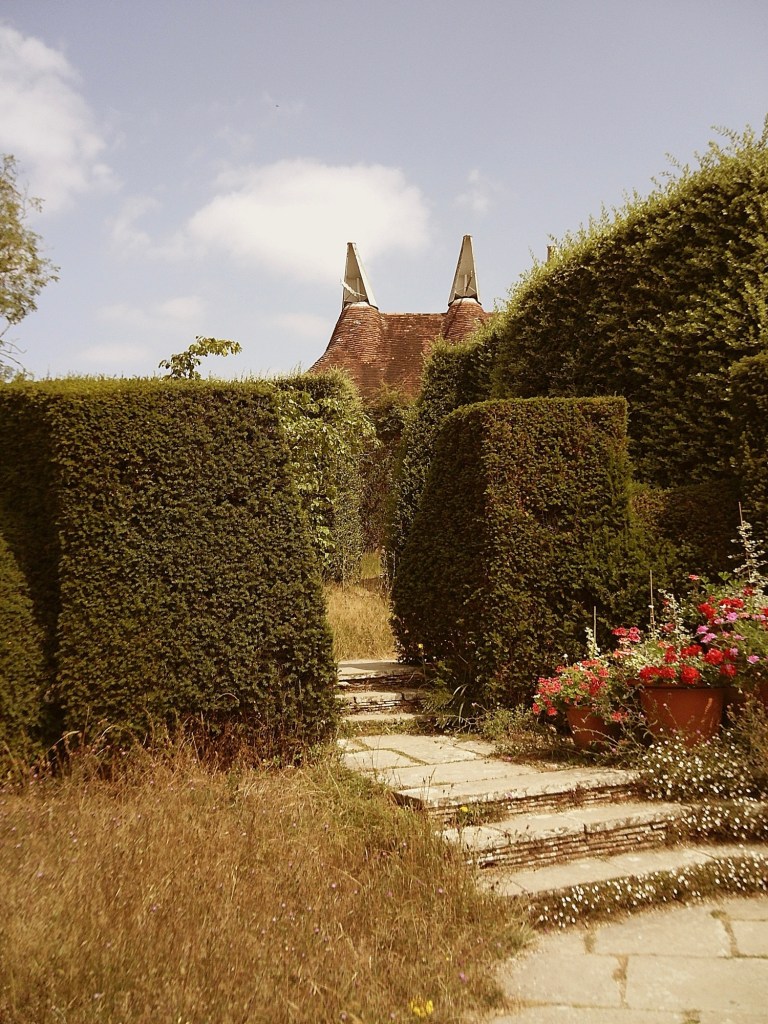
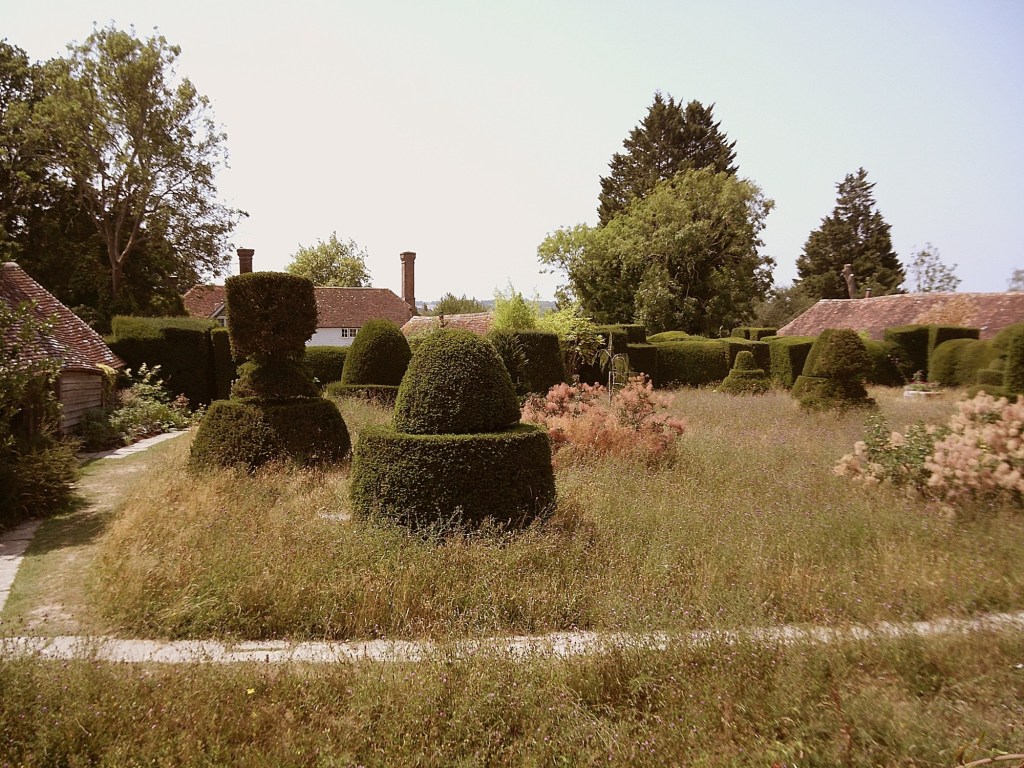
You are in the car park at Great Dixter. Point your crow south-west and whisper ‘twenty-two miles’ into its down-soft ear. If I have the range and direction right, it will touch claw on England’s only desert* and the site of another remarkable garden.
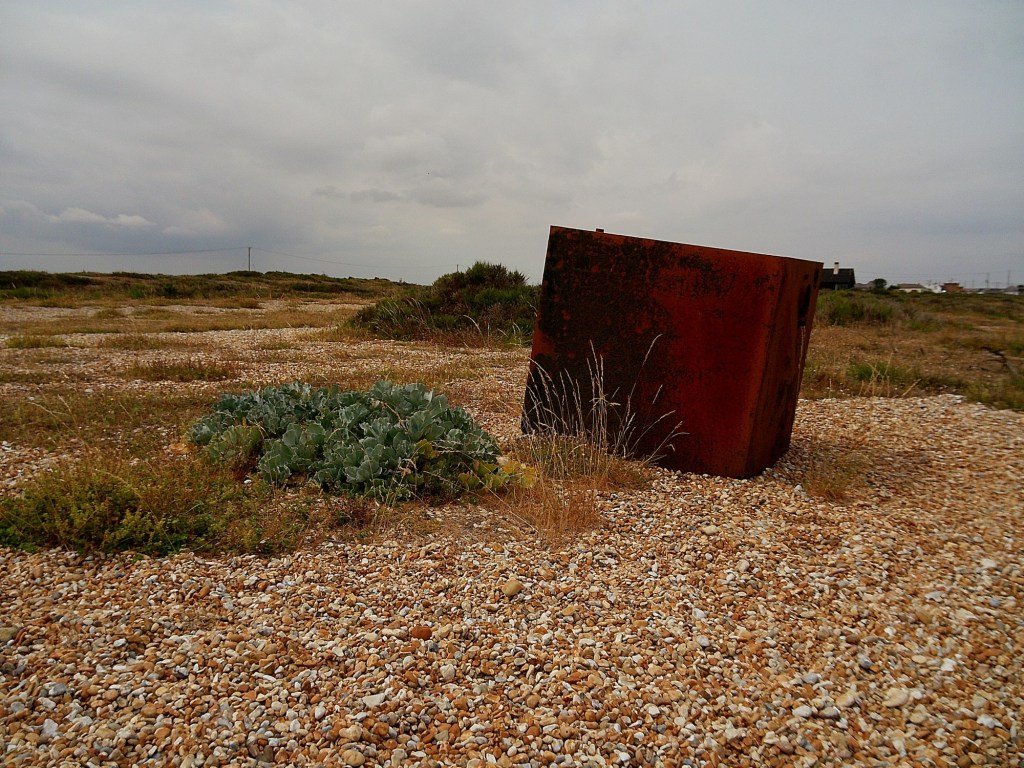
The hamlet of Dungeness sits on a long headland of shingle protecting Romney Marsh from the worst the sea can fire at it. It takes the brunt, grits its teeth and refuses to bend. Anything living there has to be equally tough and tenacious.
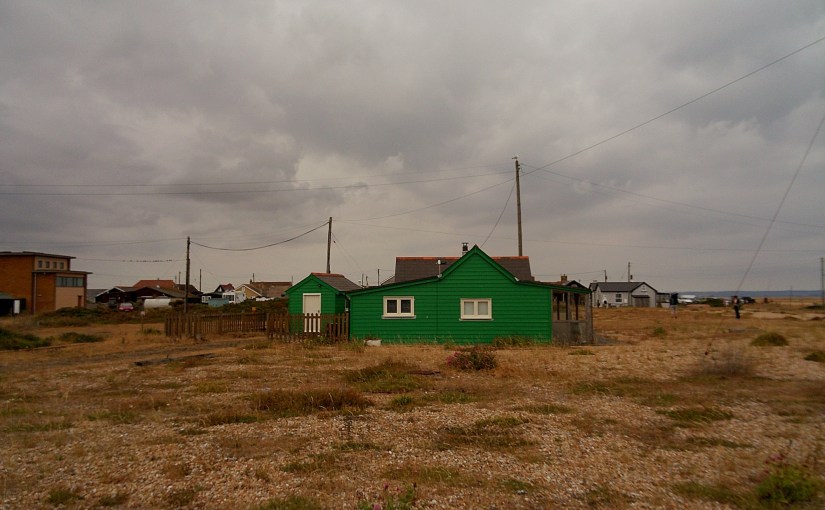
If you were to build a word cloud from the adjectives used to describe Dungeness, ‘bleak’ and ‘desolate’ would be the big ones in the middle. And yes, ok, fair, at first glance there is an air of the post-apocalyptic about the place. It’s not your typical seaside idyll. And yet, for some**, myself included, the place has a raw beauty which attracts and inspires in equal measure.
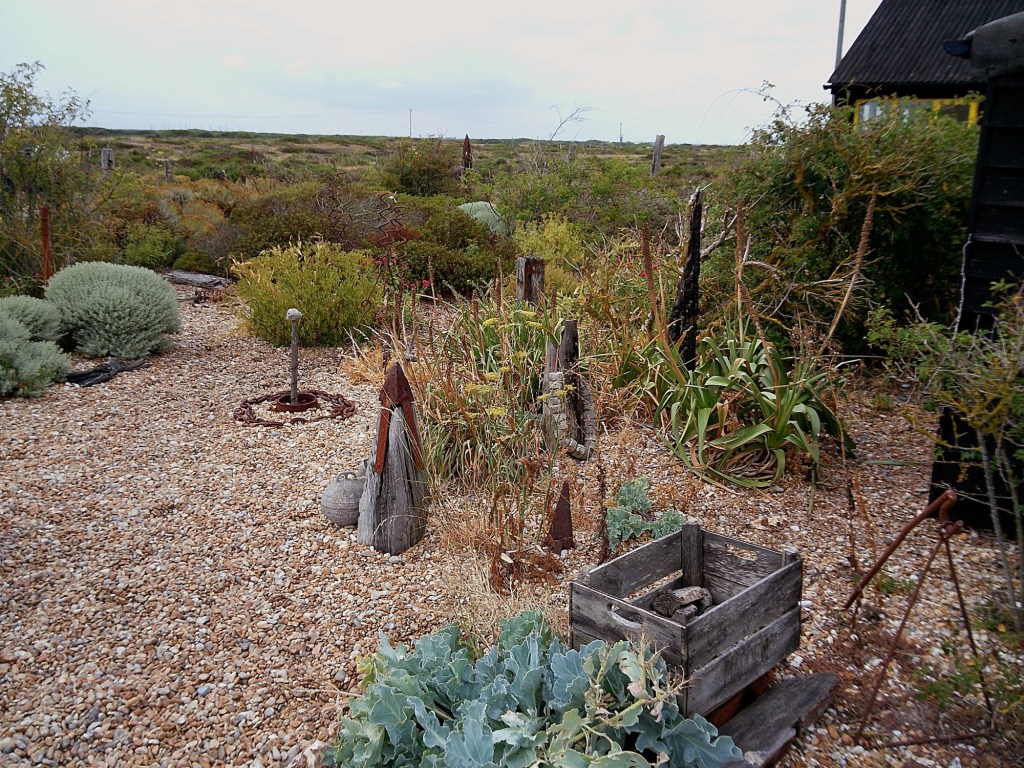
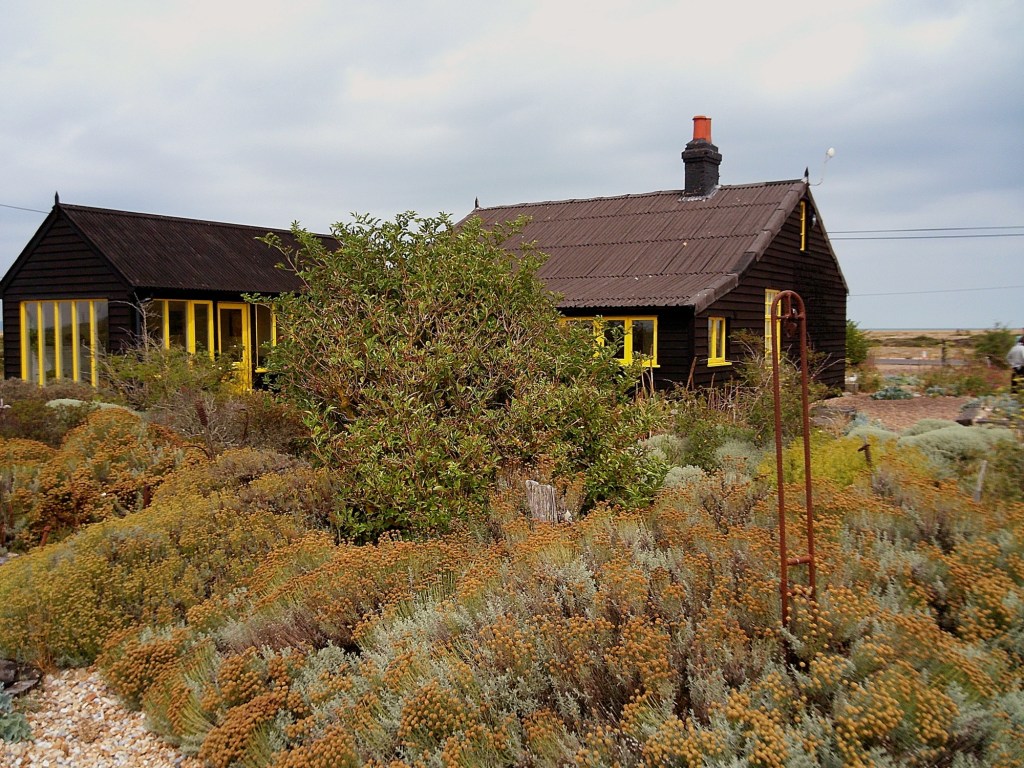
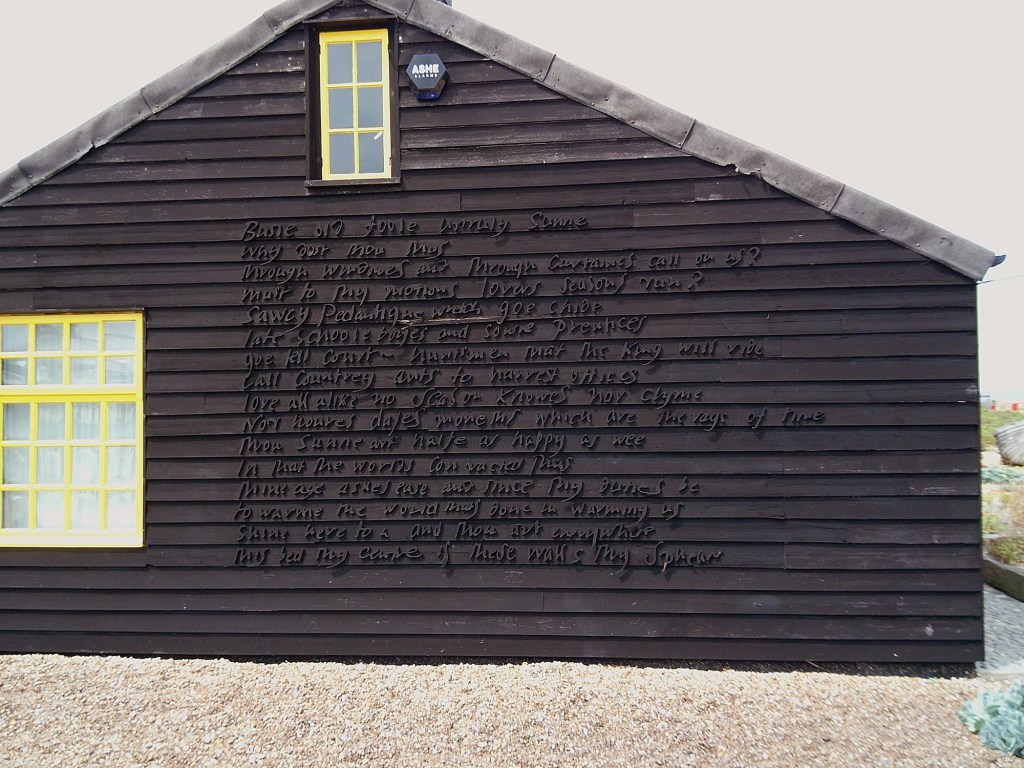
Film-maker Derek Jarman was one of those people. He bought and refurbished an old fisherman’s shack, painted it black and yellow, called it Prospect Cottage and set about making a garden. He understood normal planting would not work here—the salt and lack of fresh water would kill all but the most hardy. Instead, he chose to embrace the landscape, using stone and scrap metal, utilising forms built from salvage to set out the space, creating flow and structure from the most humble of materials. The result is magical. Wandering through the garden, you feel as if you are entering into a ritual, pacing lines of force, generating the power source of some strange engine. The planting is vigorous and exuberant, bursting from the shingle in a joyous celebration of life and survival.
There are no boundaries per se, not even a proper fence. The garden simply surrounds the cottage and quietly merges with the landscape. You are there and then you are not.
It has none of the facilities of a place like Great Dixter (although there are two pubs, the Pilot and the Britannia, within easy walking distance) . Prospect Cottage is simply maintained, as if Jarman has simply stepped out for a stroll along the shoreline. But it remains, a little flash of beauty. A signal that even in the harshest of environments, wonder and magic can be conjured.
You know who else liked Prospect Cottage? Christopher Lloyd. Read about his visit in 1990 here.
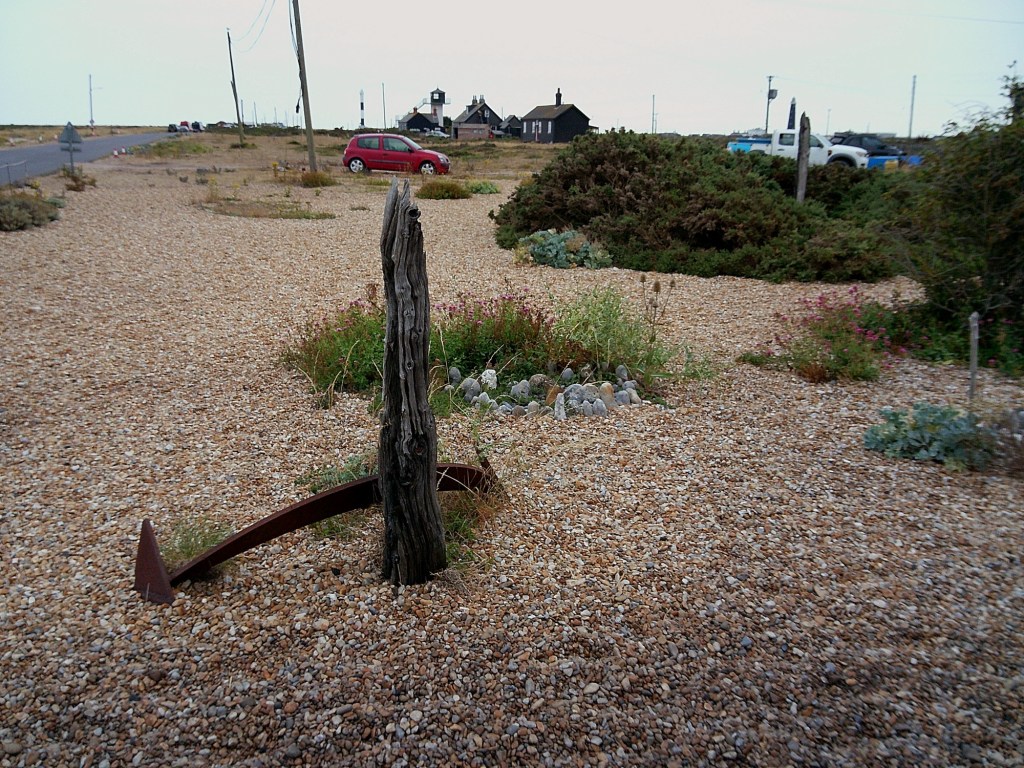
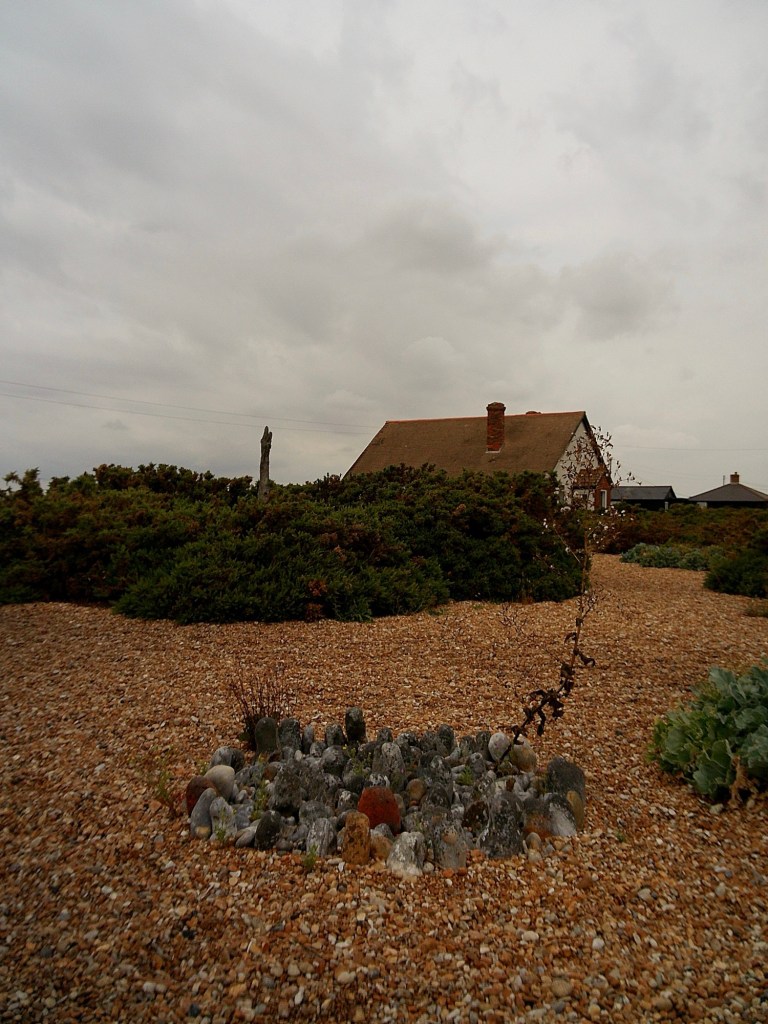
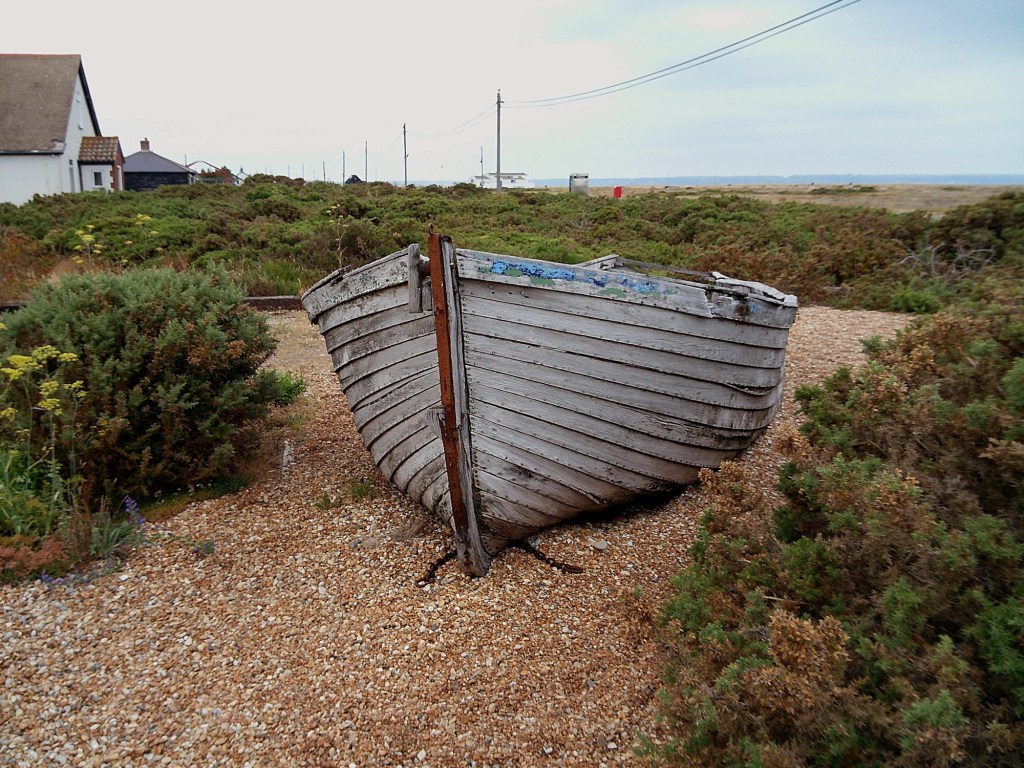
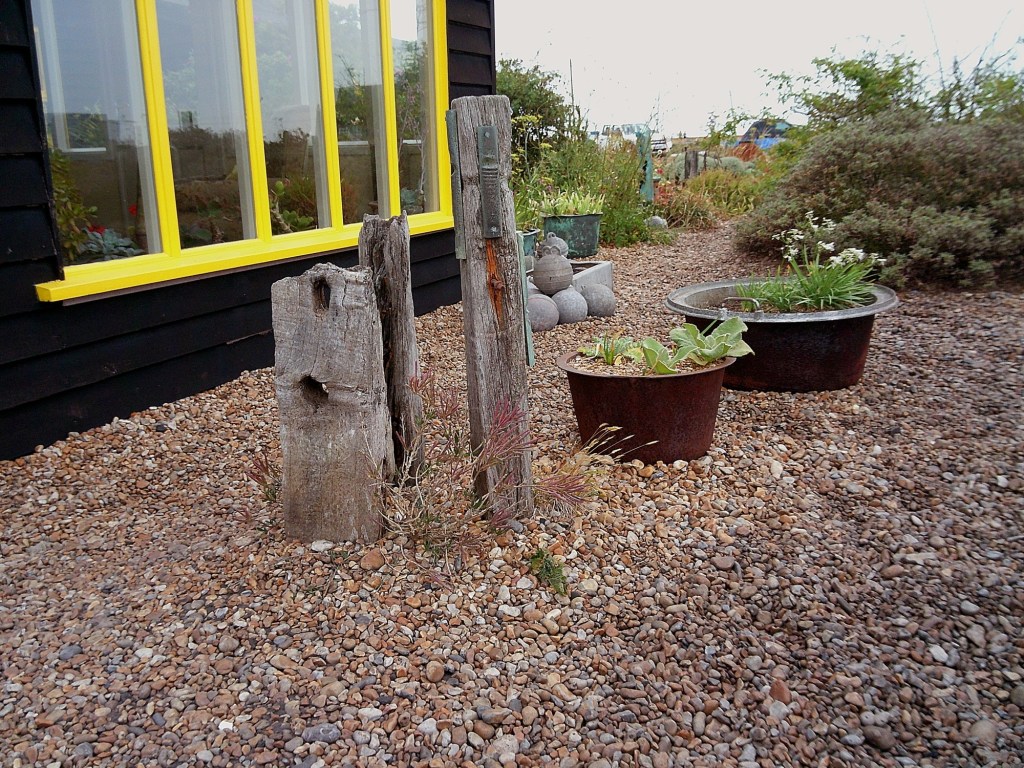
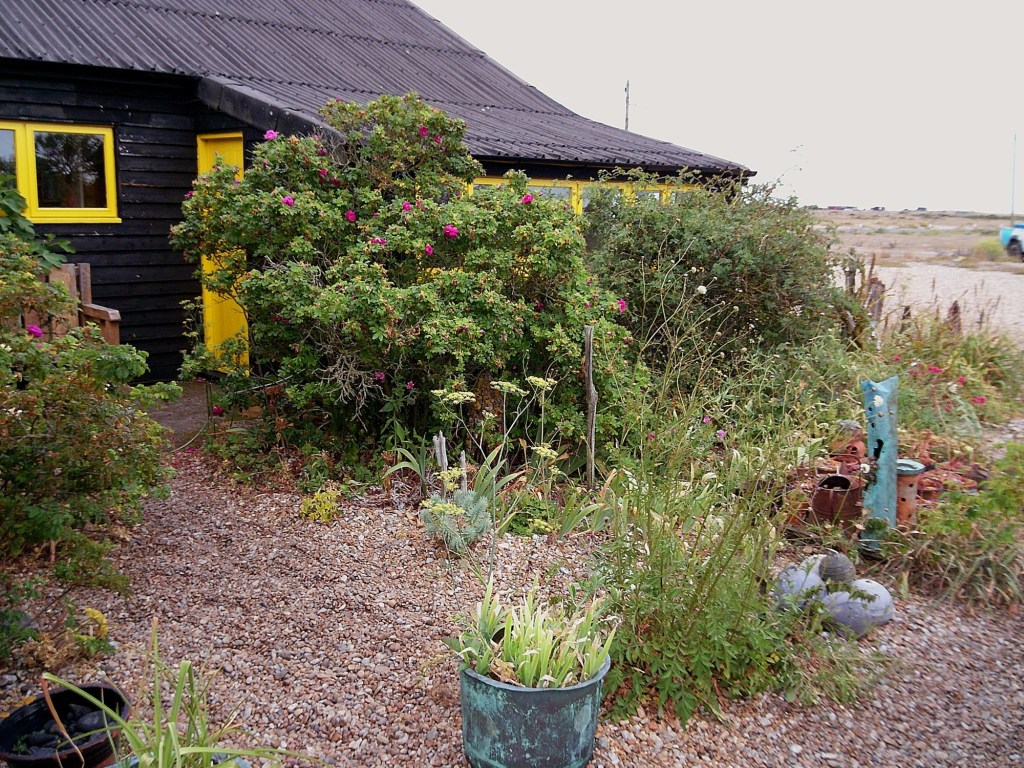
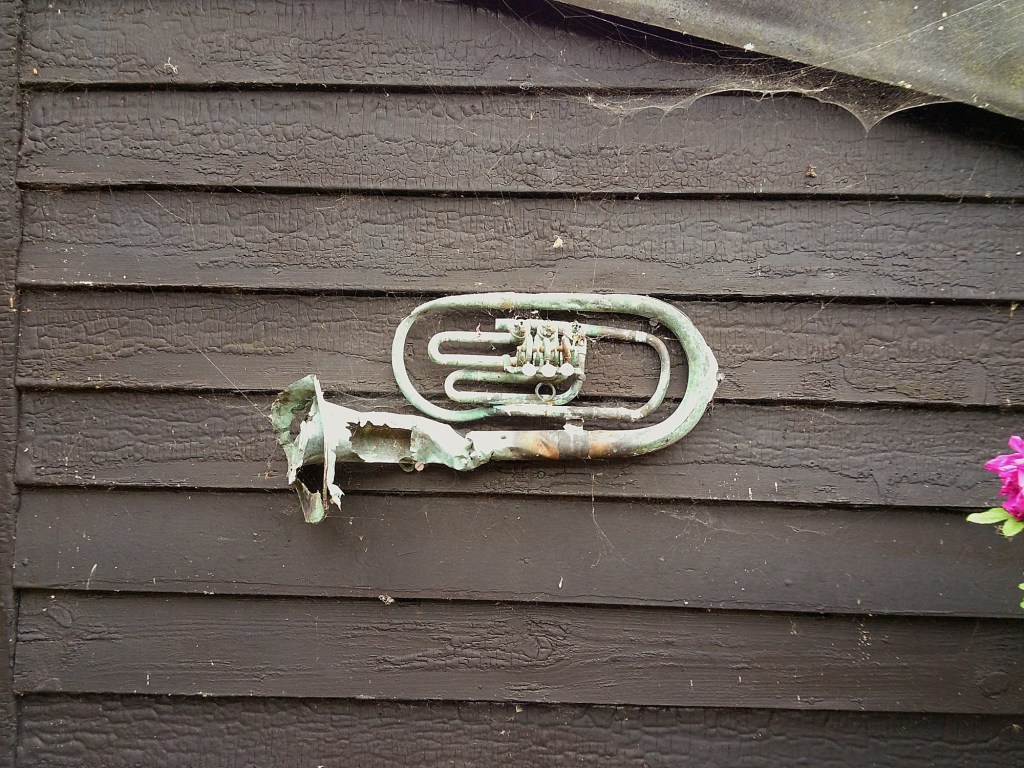
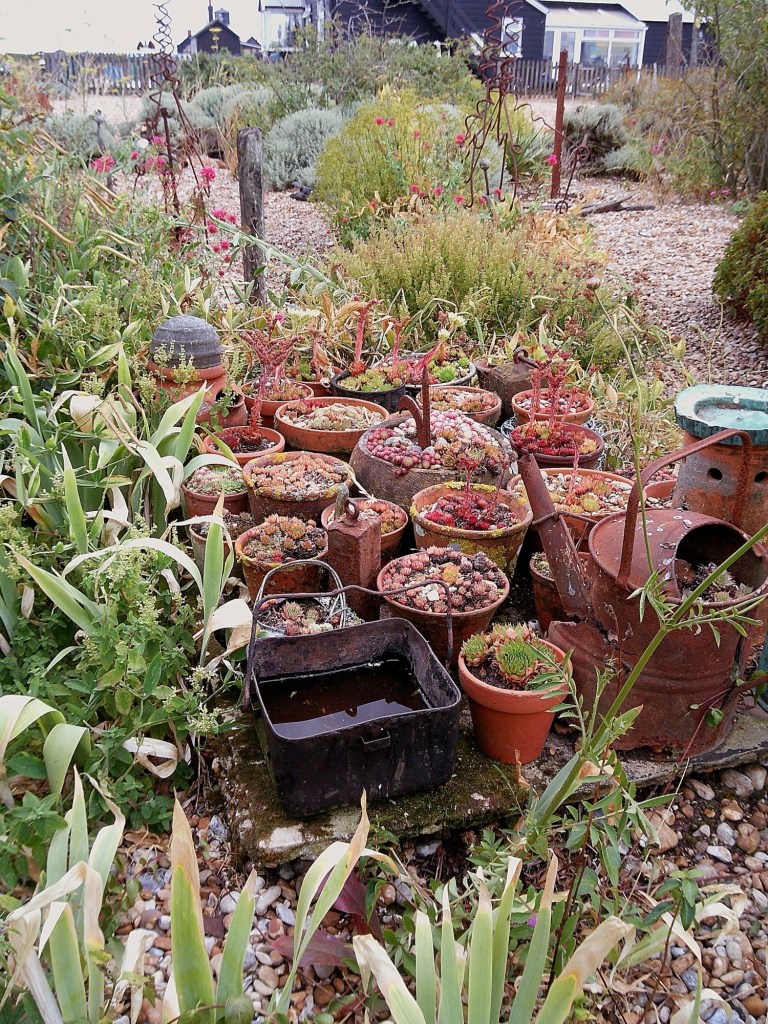
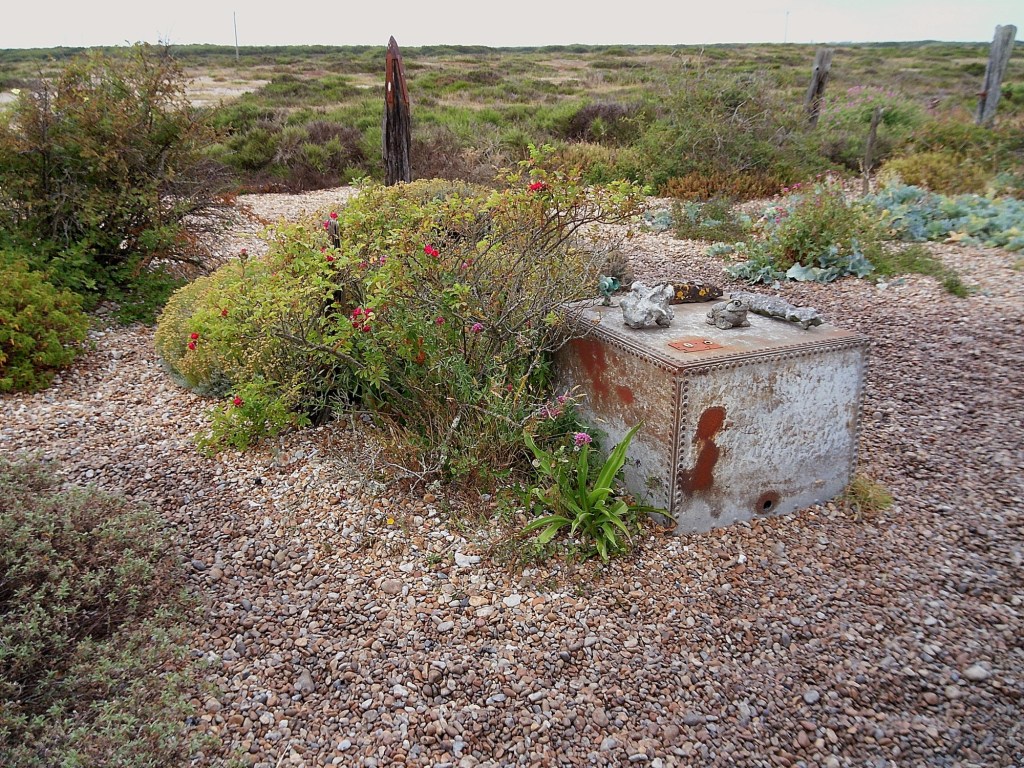
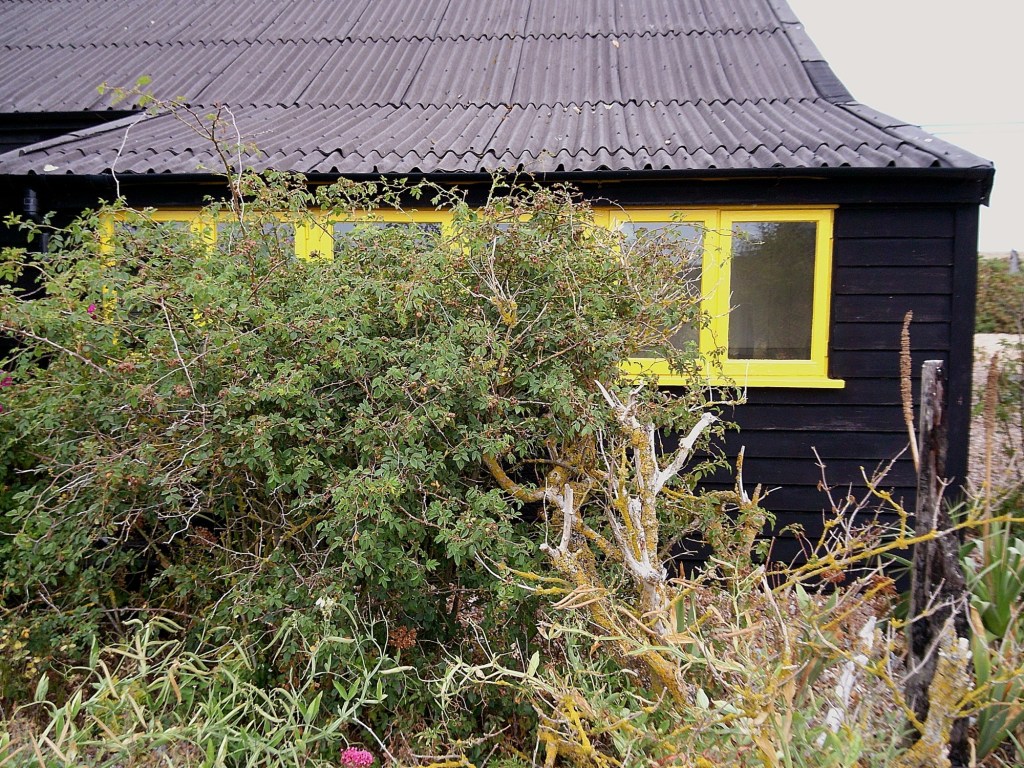
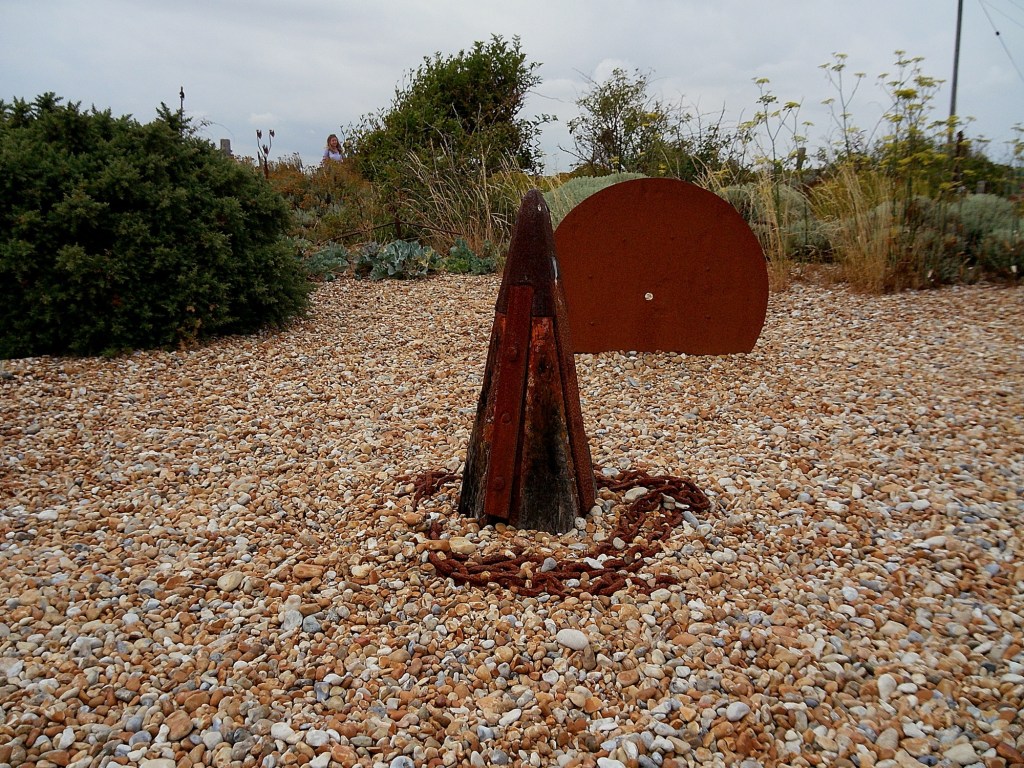

*At least, there’s a case to be made for that status, depending on the definition, and how much credence you pay to the opinions of Those Men On The Internet. It’s certainly one of the largest expanses of shingle in Europe and a site of huge scientific interest.
**Hi, Kim.
Here’s a bonus set of colour fields (and a few aerial shots of Dungeness) from up the old lighthouse. Well worth the entry fee, but you’ll need a head for heights and tight spaces.


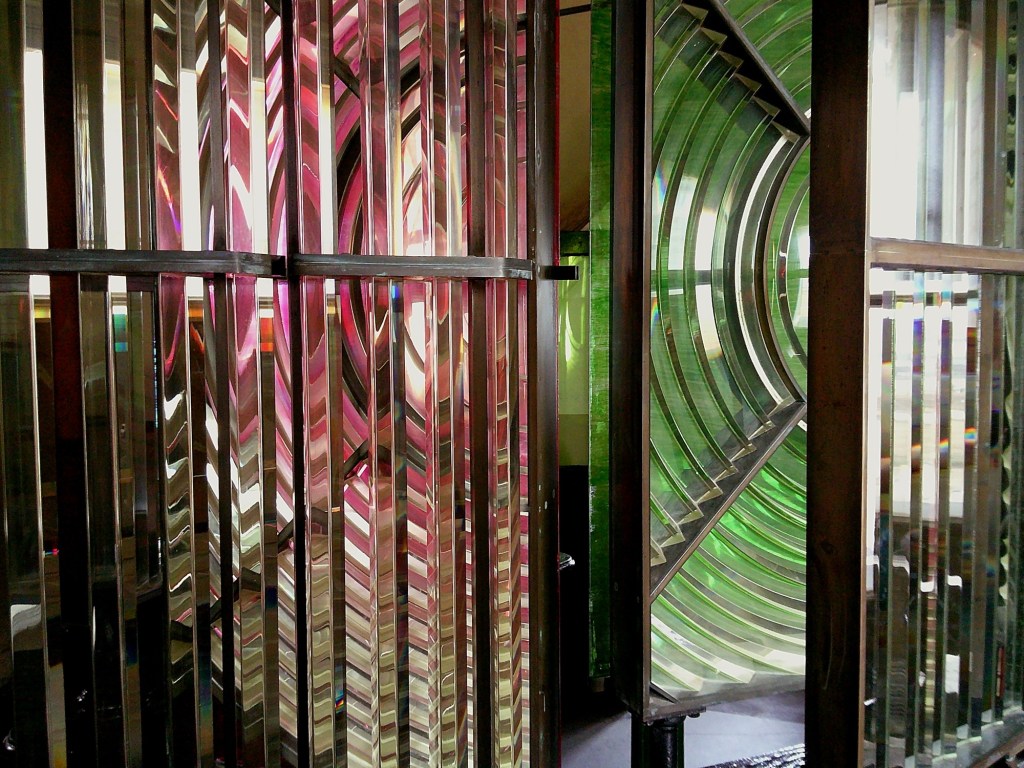


All photos by me.
Taken with a CampSnap2, a digital camera with that throw-away aesthetic. Fixed-aperture lens, a few baked-in filters (Great Dixter was taken with Analog, Dungeness with Vintage 2), no screen or instant review facility, and possibly the worst viewfinder I have ever used. No good for macro work, lousy in low light. I wouldn’t use it for everything, but the grab-and-go vibe and the way it made me think purely in terms of form, texture and composition kinda worked for this little project. The CampSnap is small, light and cheap enough to sling in a bag as an EDC quick snapper. And of course it’s a good reason not to pull the phone out all the time. I plan to use it lots more.
See you next Saturday, when I’m back with the Swipery.


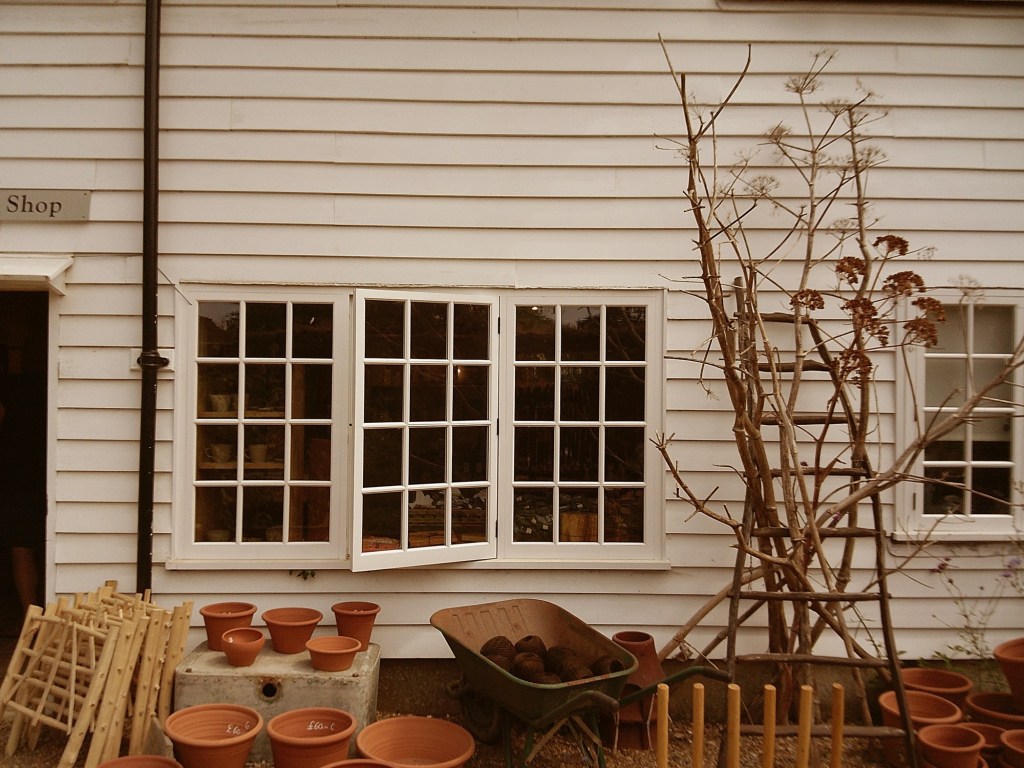
Two of the best places in the world and I’ll fight anyone that says different. Did you go to the Snack Shack? And buy plants from Great Dixter?
Didn’t make it to the Snack Shack – we were with olds who didn’t like the look of it. Had fish and chips in the Pilot, which was perfectly agreeable We’ll do it next time because we will be back. Great Dixter – it would be rude not to buy plants there. We are not rude.
The Pilot is also good! Glad you got there anyway
We loved it and we shall return. Have you wandered round the RSPB site up the road? We had a very pleasant amble round the lakes there.
We have, but if we’re staying in Dungeness we just tend to wander up to the lakes from there.