Chef: satisfying the hunger for a good food movie

The problem with food movies is that they are fundamentally incapable of expressing the two most important things about their subject: smell and taste. Don't mention Smell-O-Vision. A scratch and sniff card can no more evoke a beautifully cooked plateful of food than a kazoo can accurately reproduce Beethoven's Ninth. The end results are the same: faintly amusing but not the experience you want.

That's probably why there have been so few films explicitly about the subject. And of course, they can't just be about food–as much as I enjoy the M&S adverts, I couldn't sit through 90 minutes of them. All the good food movies deal with those aspects of the human condition that we most readily connect with food: love, sex and family. Look at Babette's Feast, where a woman expresses gratitude for the community that has taken her in by cooking them an extraordinary banquet. Or Big Night, a film that tracks the struggle for supremacy between two feuding brothers, which culminates in a remarkable wordless climax where they cook breakfast together. Tampopo contains one of the sexiest scenes featuring an egg yolk that you'll ever see.

Jon Favreau, he of Iron Man and presidential speech-writing fame, has taken a risk with Chef, his latest movie. Food films don't do well at the box office, for the reasons I've mentioned above. But Chef is first and foremost a film about the sacrifices that a really good cook will make to get to the top, and what happens when he's forced to reinvent himself–a process that reconnects him with the things he holds dearest.

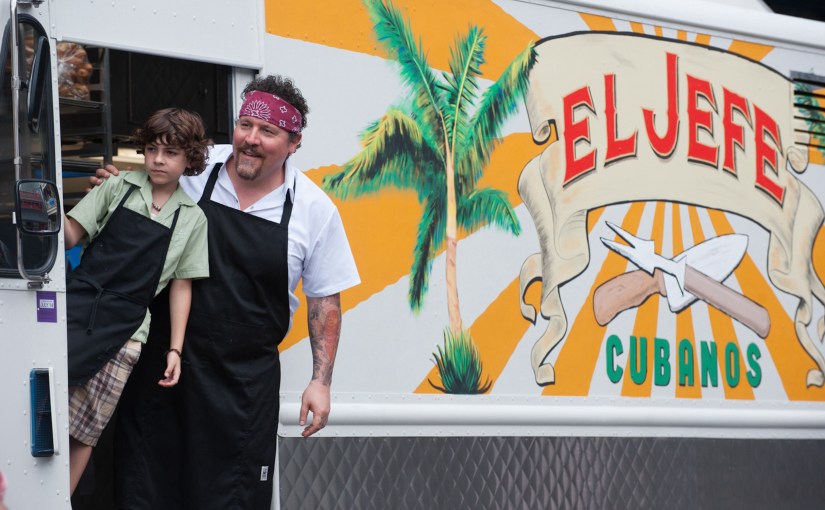
OK, Cliffe Notes (and note that from this point, a SPOILER ALERT is in operation). Favreau plays Carl Casper, a top chef who feels as if he's stuck in a rut. It's a feeling that's starting to come out in his cooking. He's filling the house every night, and his boss is happy. But the reviews are stinkers, and Casper is starting to lose his way. After a cake-crushing meltdown in front of his food critic nemesis, Casper buys a ratty old food truck, and goes back to basics, cooking and selling the food he loved back in the day. With his estranged son and buddy line chef in tow, Casper sets off on a road trip that takes in some of America's culinary hotspots, and finds the flavour in life again.

So, it's a bit on the nose from an elevator pitch. But Chef works, for me, because it's good on the details. Favreau spent months in restaurant kitchens, working his way up from herb-chopping to line work. The restaurant scenes feel authentic and sharply observed, down to the way Casper cleans down his station att the end of a shift. Favreau enlisted the help of food truck maestro Roy Choi and Texas barbecue pit king Aaron Franklin to give his film some old-school patina. That's Choi's Cubano that everyone's talking about, and Mitchell serves fall-apart pork shoulder just like the one in the movie every day.

The clever thing about Chef is the way it dials into modern trends in food fandom. Food trucks and real-deal meat-smoking are obsessions with many foodies. Favreau also nails the importance of social networking to the scene: Instagram and Twitter are the way a lot of people initially hear about the hot places to eat, whether that be a Michelin-starred joint or a high-sider on a street corner pushing out the greatest food you can get on a paper plate. Let's also note here that Casper's meltdown is sparked off by a food blogger, not a traditional critic.

Chef is a deeply sensual, warm and funny film, with a great soundtrack of classic Cuban cuts, reggae and blues and solid performances from Favreau and his supporting cast. John Leguziamo buzzes and pops as Casper's line chef buddy, and Emjay Anthony, playing his son, is sweet and charming. I thought it was a shame that Scarlett Johannsen and Dustin Hoffman seem to disappear once Casper gets his food truck (which is a lust object in and of itself: that chrome! that griddle!) and that we didn't see more of Carl's life pre-restaurant in Miami. Where does that love of Cuban food come from? Maybe a director's cut is in the offing. Anyway, I wanted to see more, which has to be a good thing.

With the long-mooted adaptation of chef Anthony Bourdain's autobiographical/crime novel Bone In The Throat finally looking like it's going in front of cameras, there's a chance we could be seeing more interesting movies set in the world of food. On the evidence of Chef, I'd be happy to see more. The film has the highest of accolades from me–TLC and I left the cinema absolutely starving hungry.


Rob’s Dirty Rice

There's nothing wrong with plain, simple white rice. It's calming, pure, and my accompaniment of choice to most meals. As a counterpoint to spicy flavours, you can't go wrong. In some cuisines, it serves as a mop-cum-utensil for sopping up a gravy-thick stew.

But the joy of rice comes around when you start adding stuff to it. Risotto. Paella. Fried rice. Biryani. And the Deep South way: dirty rice. Now, my way with dirty rice is completely inauthentic. Regular members of The Readership will be aware that I have a tendency to read through the traditional method, and then merrily go my own way. But know this: my dirty rice is damn tasty and even… a little bit healthy.

Start, of course, with the star of the dish. For this, basmati or sticky rice won't give as good a result as plain ole long-grain. Cook it first, using whatever method suits, and let it cool slightly. My rice cooker, as ever, does sterling service here, and I'm sometimes frugal and forward thinking enough to throw a couple of corn cobs in the steaming basket to cook over the rice. Saves time, effort, energy etc.

Heat a couple of tablespoons of oil in a big, deep, frying pan, and when hot, add two teaspoons each of cumin and sweet paprika. If you're feeling frisky, throw a little chili powder in there too. Let that bubble for a minute or so. Now for some veg. Traditionally you'd add the cajun trinity of onion, celery and green pepper. I used a big spring onion and half a red pepper. I was feeling lazy, had a scallion to use up and there wasn't a green pepper in the house. I am unrepentent.

Aaaanyways. Give the veg a couple of minutes to soften, then add a handful of frozen peas, and a few pucks of frozen spinach. This stuff is genius. It softens quickly in a hot pan, adding a shock of greenery and all the benefits of a leafy green, without needing to cook down huge bags of the stuff. A cheeky way of getting some goodness into any stew or ragu.

Now, bear in mind you've just thrown frozen stuff into a hot environment. That means the temperature in the pan will drop, but you'll also add a little moisture, which will create a kinda-sorta sauce to coat the rice. Season, then simmer until the spinach has broken apart and the peas have gone bright green.

Now throw in a handful of raw prawns, and the rice. Stir through, and cook until the prawns have gone pink. A couple of minutes, which should be enough time to heat the rice through. Once all is steamy and sizzly, throw over a handful of chopped parsley, pile onto plates and dig in.

Remarkably, I was organised enough to take a pic of the food. Doesn't happen often...


Needless to say, this is astonishingly versatile. Great with grilled chicken or fish, as part of a barbeque, or alongside a spicy stew. You can zazz it up with some cooked chicken, chorizo or sausage, maybe sweetcorn. As a weekday lifesaver, I think this is an essential part of the repertoire.

Oh, and I found myself humming this while I was at the stove. Dirty rice, I want you, dirty rice I need you, oh-whoa…


Fodderblog: Seven Wonders

We could spend hours discussing the seven wonders of the modern world. The Burj Khalifa Tower in Abu Dhabi, up which Tom Cruise so famously glove-walked. The Øresund Bridge connecting Sweden to Denmark, home of so many angst-driven murders.

But we foodies have our places of worship, too: those parts of the globe where grub is god, where our senses and greedy tums can be fulfilled. These are the culinary Seven Wonders of the world… as least, as far as I'm concerned.


Sukiyobashi Jiro, Tokyo, Japan.

Perhaps the most famous sushi joint in the world, and rightly so. When President Obama visited Japan recently, he made darn sure that he stopped off at Jiro's for lunch. Looking at the place, you might wonder why. It's a tiny box in the basement of an office building in the Ginza district, with room for perhaps ten diners at a time. Jiro serves one menu, and offers only beer or sake to drink. If you can get a reservation to Jiro's (and it's not easy–the booking office is currently closed until June) you're there to eat sushi.

The food is prepared and served with an attention to detail that's obsessive even by Japanese standards. Jiro will watch as you eat, the better to guage what to serve you next, and even where on the plate the next piece will sit. You will pay on average £400 for a meal, and there's a good chance you could be in and out in 20 minutes. But this is food with a purity and rigour that's worth making the effort. The award-winning documentary on Jiro and his life will tell you more–like the food, it's a perfectly presented, tasty little jewel.


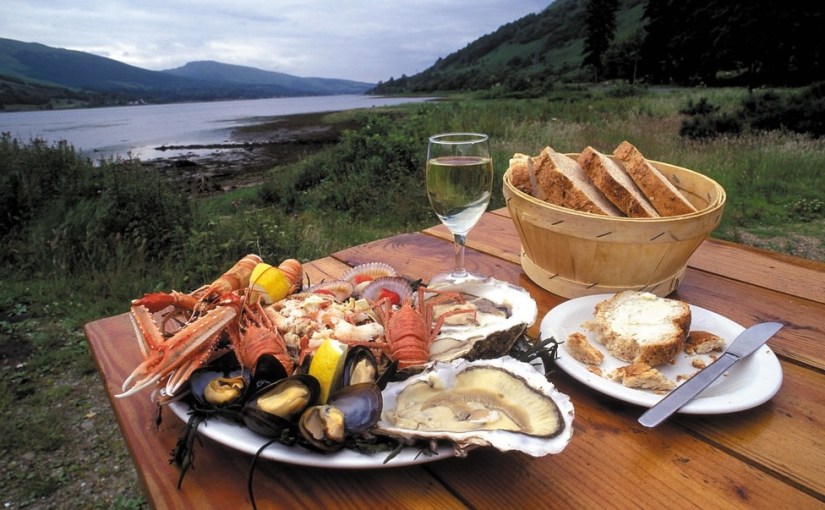
Loch Fyne Oyster Bar, Loch Fyne, Scotland.

Not, I hasten to add, anything to do with the ubiquitous seafood restaurants (nice as they are). The tiny, woodlined restaurant on the banks of beautiful Loch Fyne serves a small, perfectly formed menu. But really, you should be going for the oysters. Grown and harvested within yards of your table, Loch Fyne oysters are among the best in the world, and eating them with some good bread (baked on the premises) while gazing out over the loch is a very distinct pleasure. I speak from experience on this one: TLC and I went to Scotland on our honeymoon, and the Loch Fyne Oyster Bar was a very smart stop-off for lunch. A place of peace and beauty, and a very fond memory.


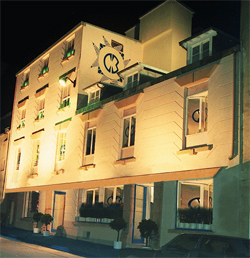
The Cordon Bleu School Of Cookery, Paris, France.

No truly great chef is self-taught, and many of the giants are alumni of the Cordon Bleu. It's an international concern these days, with campuses worldwide. But Paris was the first and, for many, the heart of the French school of cookery that still has such a hold on our preconceptions of culinary excellence.

Let's face it: no chef can consider to have arrived without at least one Michelin star, and that reward comes from cleaving to a model of service and food preparation that springs directly out of the Cordon Bleu. Sure, there are outliers: Jiro's place is Michelin-starred, for example. But for the most part an apparance in the blue book means that a restaurant has achieved a certain level in a certain way. France is, for many, still the home of fine cuisine, and the Cordon Bleu is where you go to learn the skills to make it.


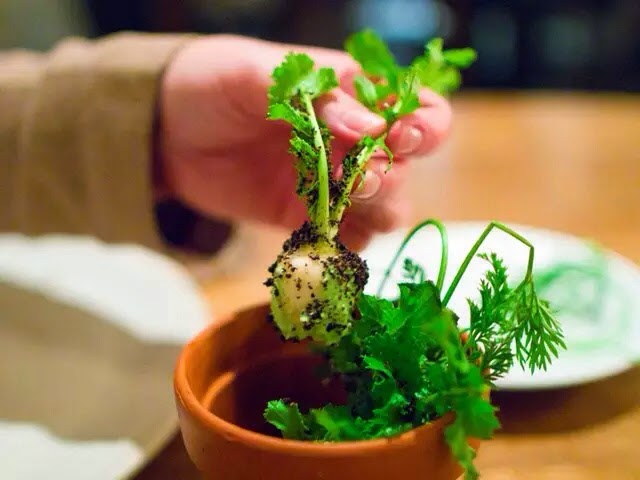
Noma, Copenhagen, Denmark

A list like this would not be complete without including the restaurant that many believe to be the best in the world. That honour can change over time, of course: Heston Blumenthal's Fat Duck is currently closed for refurbishment, Ferran Adria's El Bulli shuttered years ago. Nowadays, the place to be is Denmark, and the place to eat is Noma. Recently returned to the No. 1 spot of Restaurant Magazine's Top 50, Noma is the creative home of chef René Redzepi. His food is deeply connected to the Nordic terroir–that is, the food, ingredients and flavours most typical of the region. Fellow chef Niklas Ekstedt joked recently that you can tell if something's Swedish by the amount of dill on it, but Redzepi's food is far more open to experimentation and adventure than that. There aren't many places that can get away with a dish of beef tartare and ants.

It's said that to get a true feel of a country you need to eat its food. Noma's food is earthy, humorous and full of surprises. If you can get a reservation, and you can afford it (both increasingly unlikely following Noma's return to the top spot, but no harm in trying, eh?) then this is one place to put on your bucket list.


Soi Rumbuttri, Bangkok, Thailand

If your tastes or your bank balance don't run to Noma's level, then there's always street food. Here's where you can get a true sense of a country, with the food that people are lunching, breakfasting or simply snacking on every day of the week. From Mexico to Marrakech, there are plenty of hubs where people gather for their fix of noodles or deep-fried goodies.

The place to be though, at least according to the well-travelled trencherperson, is Bangkok. More precisely, Soi Rumbuttri, a U-shaped street off the Khao San Road (in other words, away from the backpackers) that is home to over a hundred food stalls. Here's where you can track down your food fix from a wild mix of Asian cuisines, prepared on the spot for pennies. OK, you don't get the refinement and service of a place like Noma. But you are getting a jolt of culture and flavour straight off the main grid. The nightlife in this buzzing, active area is amazing too. If you're hungry for the real Thailand, this is where to head.


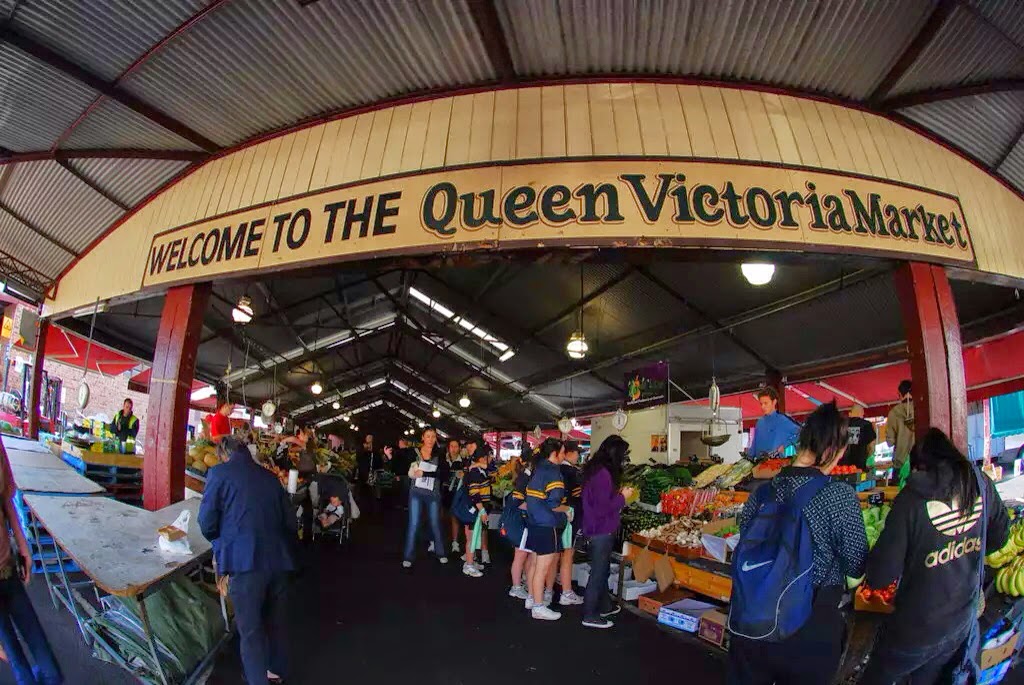
Queen Victoria Market, Melbourne, Australia

Any foodie worth his or her salt will want to track down a local market. Again, if food is a mirror to a nation's soul, then the raw ingredients that a market supplies are the frame on which that mirror is built. There are a ton of truly great markets for the adventurous food fan to seek out, from London's own Borough Market to La Boqueria in Barcelona–the only place to buy jamon. I'll admit to a soft spot for Oxford's covered market, which has some great food stalls amongst the clothes shops.

But for sheer dizzying size and spectacle, you'll have to take a trip to the antipodes. Queen Vic Market is the largest in the Southern Hemisphere, with over 700 stalls selling… well, you name it. The place takes up two whole city blocks, so if it's food related, you'll probably find what tickles your taste buds. The Meat Hall is the place for curious carnivores, with stalls selling everything from chicken to crocodile. If you're peckish, the Food Court seats 400, so you can probably snag a table. The problem, I feel, is going to be lugging all your goodies home at the end of the day.


Quayside, Whitby, England

We've talked about food reflecting the soul of a country, so let's finish off by bringing it all back home. There's nothing more English than fish and chips, and those in the know agree that the best in the country are found on the north-east coast. Although my mate Rev Sherlock has always bigged up the fish suppers in Grimsby (a little local bias, perhaps: he's from there) the place to be, at least according to the Fish And Chip Awards, is a little way up the coast at Whitby.

Quayside, run by Stuart Fusco since 1999, is housed in a historic building right on the quay. Stuart fries his fish and chips the traditional way: in beef dripping, with a special-recipe batter. There's no better way to enjoy them then out on the quayside, watching the waves. To my mind seafood doesn't get any simpler are more tasty than that.


Those are my picks–where have I gone wrong? Hit me up in the comments, Readership!


(a tip of the toque to Edible Reading, who set me on this road in the first place).


Pizza Is Like Shakespeare: The Stable, Bristol

Bristol isn't ever going to struggle for good places to eat. From gastro to pub grub, the city is stuffed with nice spaces to tie on a nose-bag. On our visits to the city by the sea, I've always been impressed by the range of fab eateries on offer and their increasing focus on local provenance. One of the best recent examples of that philosophy has been, of all places, a pizza joint.

The Stable is part of a small chain of restaurants dotted around the south-west with a pretty unique USP. They've come up with a food and drink pairing that I'd never considered–pizza and cider. After a lunchtime visit, I'm a convert to the cause.

I mentioned provenance, and The Stable is dead serious about sourcing locally. The all-important crust is a sourdough made from organic British wheat. The meat and seafood falls well within locavore metrics, and the huge range of ciders and perries is all from the lower left of the country. They offer drinks by draft, bottle and mini-keg with a limited range of beers and wines and softies. The staff are friendly and knowledgable, affably offering me a couple of tasters to help me make up my mind.

Cider and pizza? Well, yeah, think about it. A beer with your margherita is a big wallop of wheatiness that'll leave you with a fat dose of bloat. Cider doesn't give you that, and you consequently find the food much more digestable. The lighter, crisper flavour just seems to cut through the richness of the toppings with a cleanliness that beer or wine simply can't. It's a deliciously logical pairing.

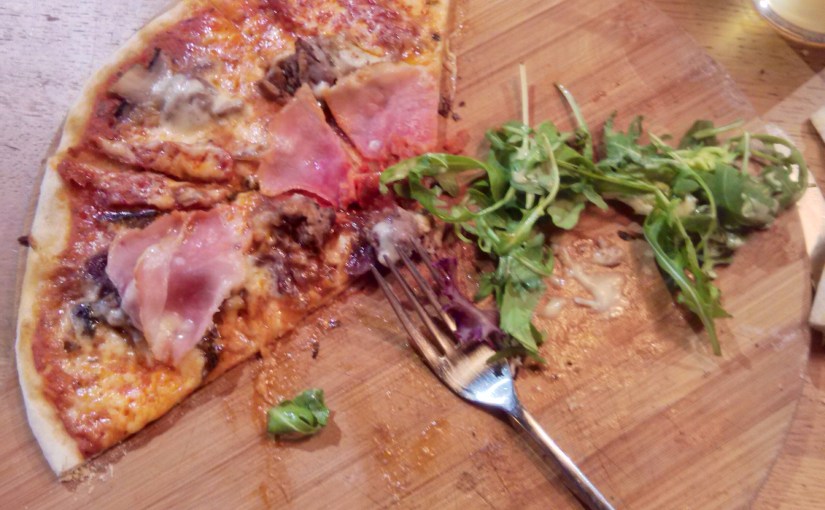
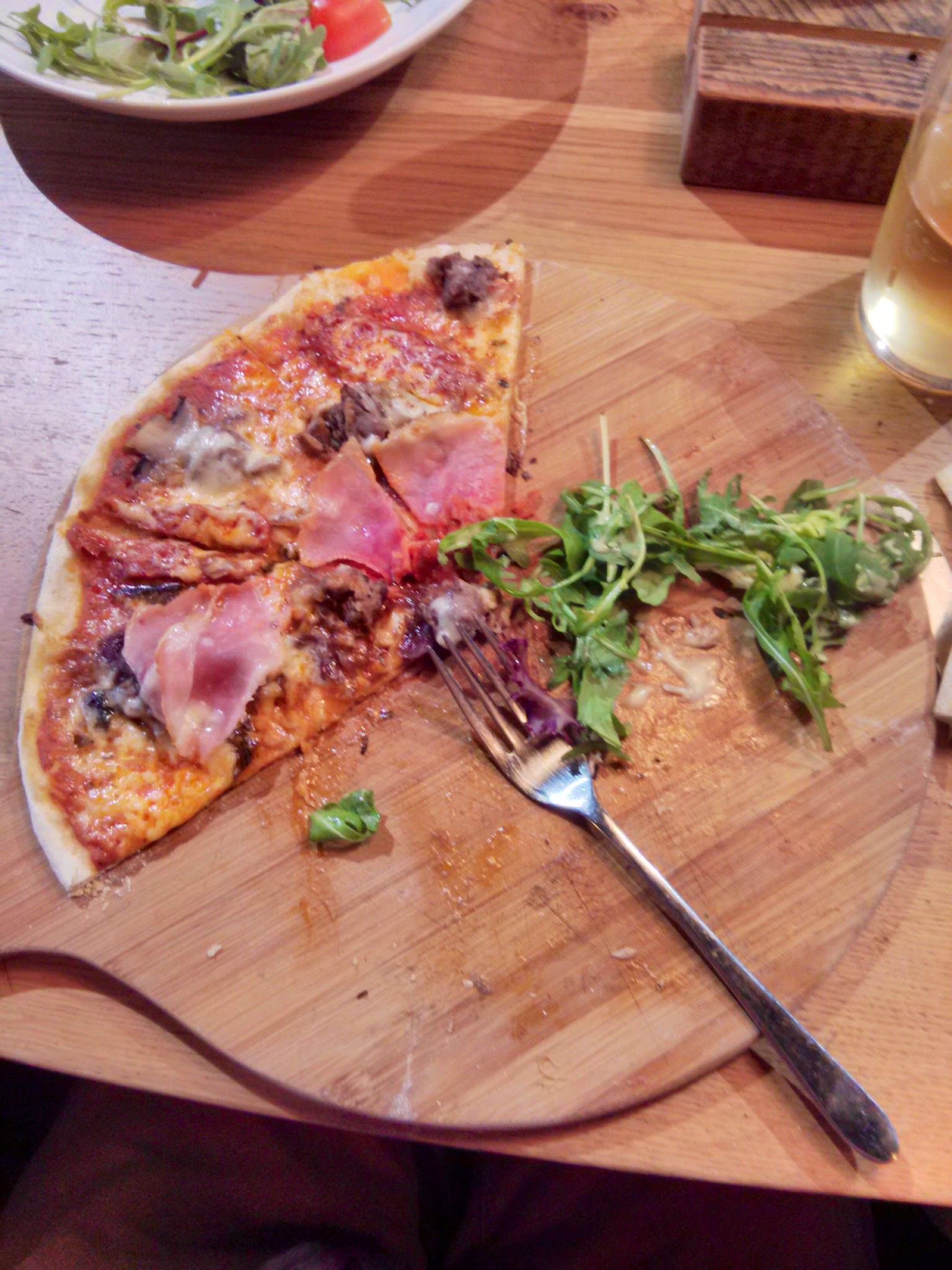
Pictured, my Longhorn Jim, approximately 15 seconds after it hit the table.

The pizzas are thin-crust and loaded with goodies, firing out with admirable speed from a brace of hefty wood-fired ovens. The generosity of the topppings means the most sensible option from getting the pizza into your feed hole is American-style: grab a slice, fold the pointy end over towards the crust and munch away. With my Longhorn Jim, heavy with ground beef, chorizo and ham (I'm a lapsed vegetarian, can you tell?) the crust was just strong enough to take the moisure from the tomato sauce and copious amounts of paprika-spiked oil to make it from wooden paddle to gob. TLC's Avonmouth Angler, though, was so heaped with smoked salmon and mackeral that she had to resort to a knife and fork. Mean while, DocoDom's Portishead Porker was every Englishman's dream: bacon, mushroom, tomato and a fried egg, breakfast on a pizza base.

Already hugely popular of an evening, The Stable seems well on its way to becoming a bit of a Bristol favourite, calmly buzzy at half twelve on a Sunday afternoon. Unflappable service and great grub in a spot that puts you right in the middle of Bristol's shopping and cultural hub? Bit of a no-brainer, frankly. The four of us were more than happy: sipping, nibbling and considering how The Stable were putting a wryly British spin on the Italian classic. Much like Shakespeare, pizza stands up to pretty much any setting into which you care to place it.

The Stable