

We took a break. Just a night away, out in the middle of nowhere. Continue reading As Local As It Gets
Category: ramblin’
ramblin’

The Robin Hood Beer Festival: On Target For Food!
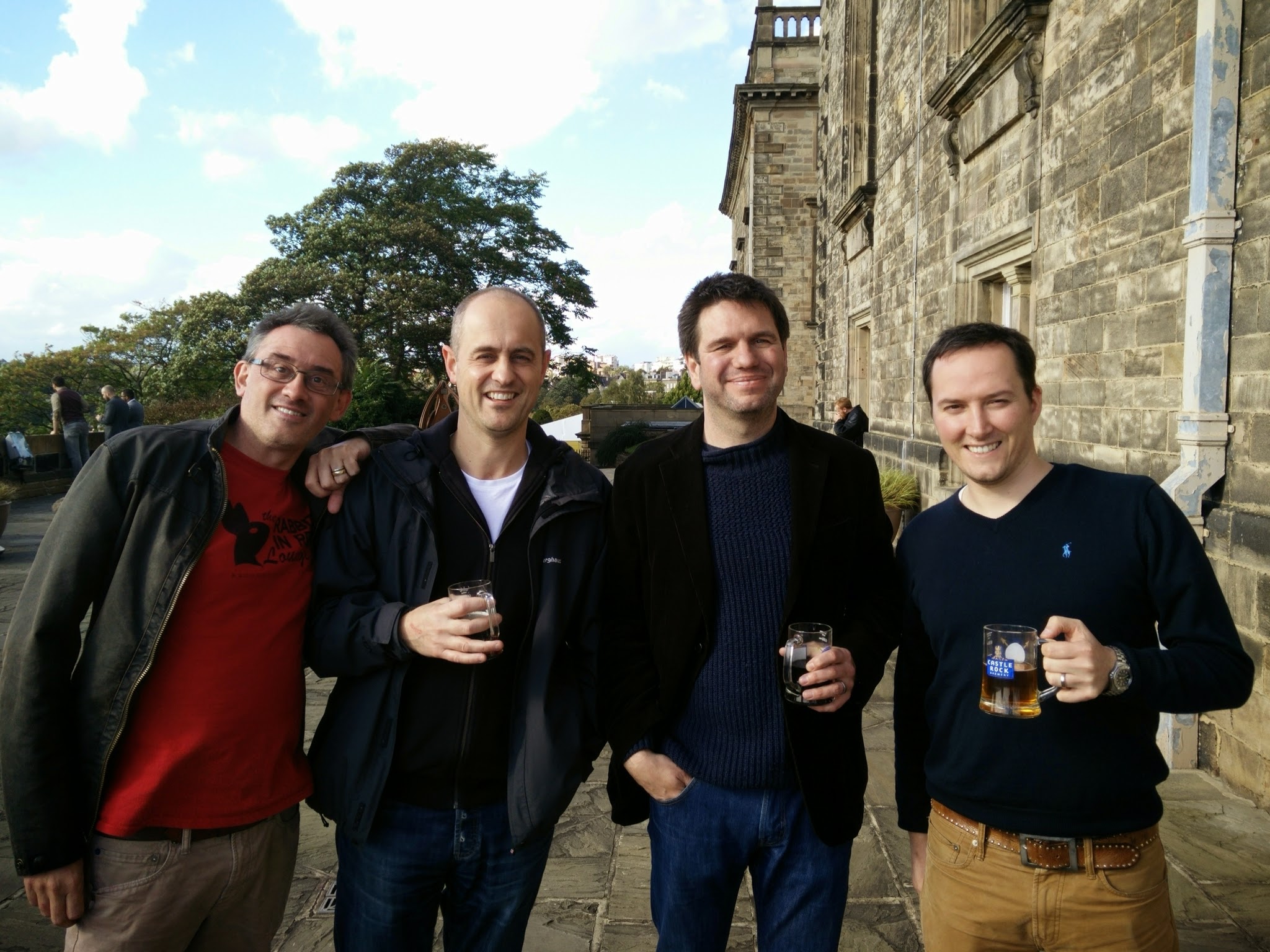
The Robin Hood Beer Festival is a must for any fan of the fine art of brewing. It takes over the grounds of beautiful Nottingham Castle for a long weekend in early October, usually catching the last of the sunshine before England succumbs to the soft rains of autumn. The Festival has been a lock on the Beeranaut's diary for quite a few years now, and 2014 saw a representative quartet (Super Sam, Rev Sherlock, Charmin' Ciaran and myself, El Conojito) jump on the train and hit the Midlands.
Now, I could spend a long time raving about the quality and choice of beer on offer, and let's be straight up here: The Robin Hood Festival has a larger selection than any other gathering in the country, and that includes the Great British in Olympia. Given the choice, you should be heading here rather than the big shed in London. The surroundings are nicer, the beer is better and, most importantly, the food is amazing. There'll be plenty of bloggers out there talking about the beer. Me, I'm peckish. Let's take a look at the food.
The thing with the Robin Hood Fest is that we're almost more excited about the grub than the beer. We know we're guaranteed a good feed at a reasonable price. We're not talking about duff burgers or a soggy cone of chips here. The scran at Robin Hood is top notch.
It never seems long after we head up the hill to the main marquee before we gravitate to the deli stand. It's lunch-time, after all. This is a shared concern between The Cheese Shop, which is normally based in the Flying Horse Arcade in Nottingham itself, and Melton Mowbray's own Mrs. King's Pies. I dream about the porky goodness encased in a lovely crumbly hot-water crust. A half-pie with a dab of mustard will set you back £2, and set you up for the afternoon. You will note that greedy Conojito had a salami on the side. Dense, meaty and utterly delightful. Rob's top tip: put a whole pie back to pick up for later, along with some choice cheeses. You have to check out the smoked stilton.

While you're picking up treats, head to the Merry Berry stall and snag some chocolate for the significant other. These guys do a roaring trade at the bigger food festivals (they were at Olympia this year) and specialise in creamy buttons and spicy dark chocolate. TLC insists I bring her back the white chocolate with lemongrass. I have a thing for the Scorpion Death Chili Chocolate: absurdly hot, with a burn that just keeps building. Try it, but have a glass of something to hand, because that bad boy is gonna sting.
After an afternoon's connosieuring of fine ales, the hunger struck and we Beeranauts wended our way down the hill to the food stands. Tempted as I was by the maple and beer-glazed bacon, something more substantial was needed. Memsaab, a local curry house of distinction, was serving up good grub for the geezer on the go. A heaped punnet of curry and rice was £6 and it was money wisely invested. Beef Madras or Chicken Tikka Masala, both beautifully spiced and fall-apart tender. If you ask nicely, you can have a bit of both. Don't be embarrassed if you feel the urge to lick your tray clean. Lord knows, I wasn't. Memsaab also did amazing wraps of grilled marinaded meat. I had one of those later in the day. Hey, I was hungry.
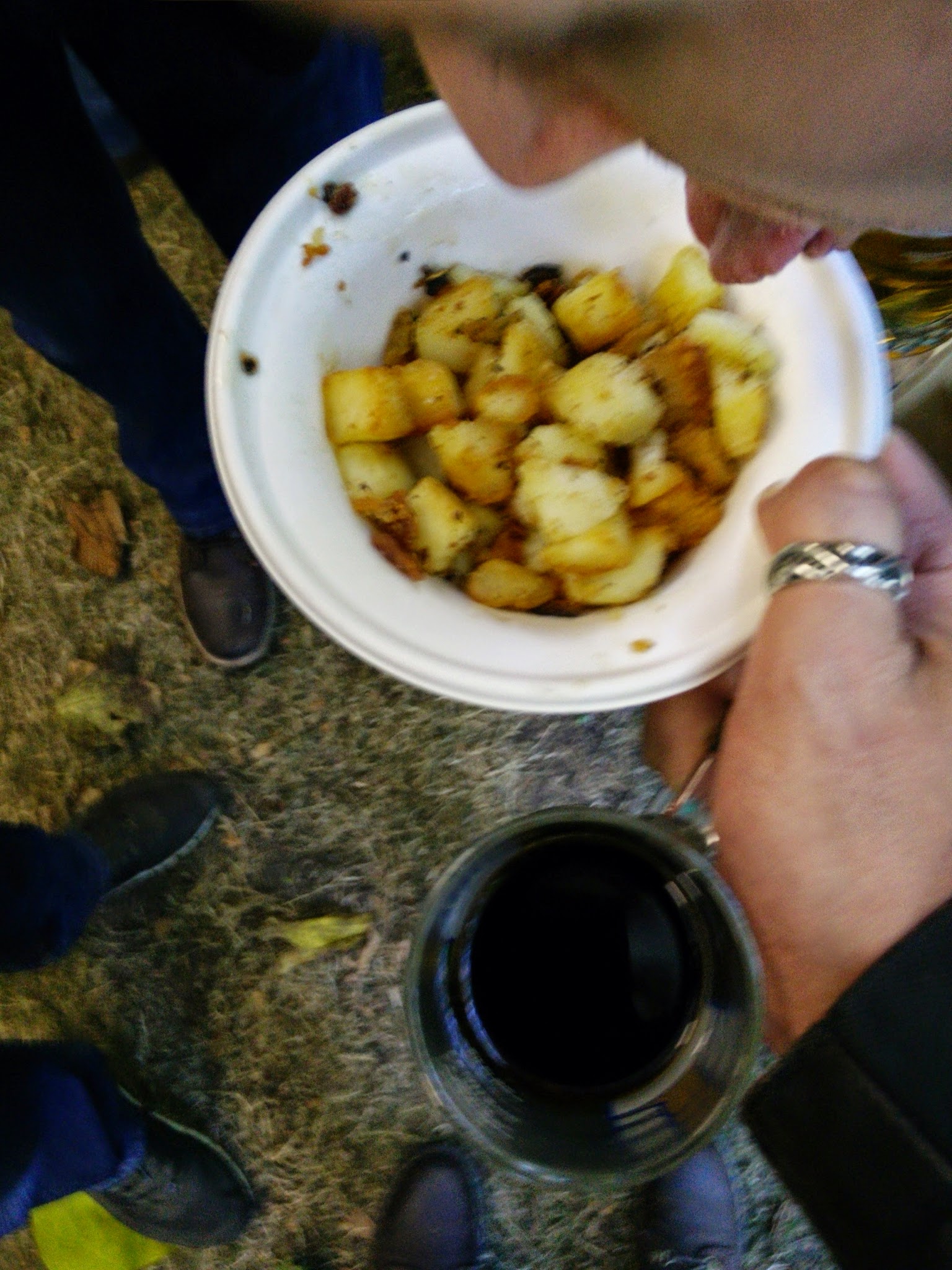
As the sun started to ebb and the crowds started to grow, we knew it was time to vacate the site and find a quiet hostelry. For one thing, we'd been on our feet for six hours. But we needed one last snackie to get us on our way. A bowl of duck fat roasties from the appropriately named Duck Fat Roastie company did the trick. Deeply savoury, crispy, crumbly in the middle, intensely addictive. A big bowl was £3, and was enough for 4 greedy boozy blokes. The scraps at the bottom were the best bits, but the whole thing was deliriously good.
A quiet pint at the Castle Rock Brewery tap by Nottingham's thoughtfully restored train station and we Beeranauts considered the ales of the day. The hits for me were Oakham's Citra (which you can get in M&S, in a slightly rebranded form), Enville's Cherry Blonde, which was the essence of a Cherry Bakewell in a glass, and Nottingham Brewery's own Centurion Porter. But I don't think I had a duff drop all day. Not bad, considering there were over a thousand beers to choose from and I was going purely by instinct.
As ever, The Robin Hood Beer Festival was the best of all possible worlds for the discerning Beeranaut: good beer, great food and a fantastic atmosphere in lovely surroundings. It's probably the highlight of my beer year, and its growing popularity shows that I'm not alone. Maybe see some of you there next October?
Will There Be Kippers, Then, For Tea?
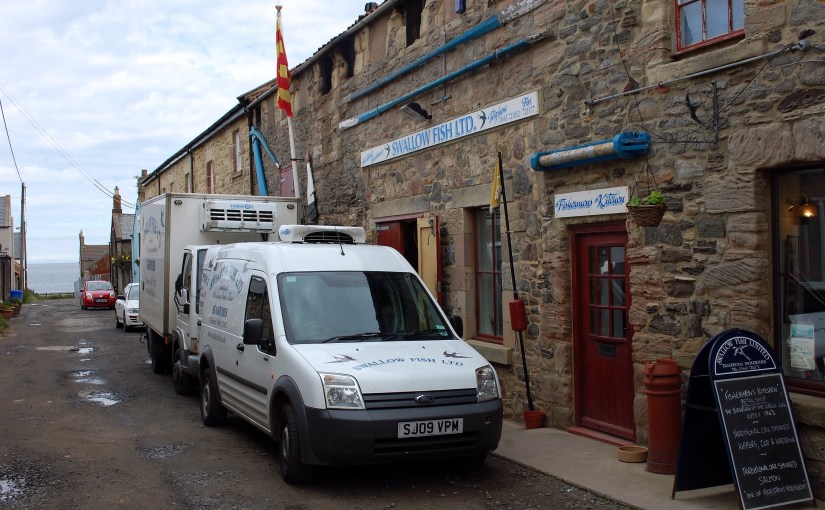
It takes six hours, if you're prepared to drive with little in the way of breaks, from the gates of X&HTowers to Seahouses, the jewel of the Northumberland coast. Readership, I'm here today to tell you: it's worth the trip. Continue reading Will There Be Kippers, Then, For Tea?

Hit The North
The Northumberland Coast. Border country. North of here, and you're dealing with rebellious Scots. It is a place where the air and light are pure, where the skies are a riot of stars at night. The people are warm and generous. The food has the tang of the sea air, and the richness of the fertile land from which it has been harvested. And the sights… well, I'll let you judge for yourselves.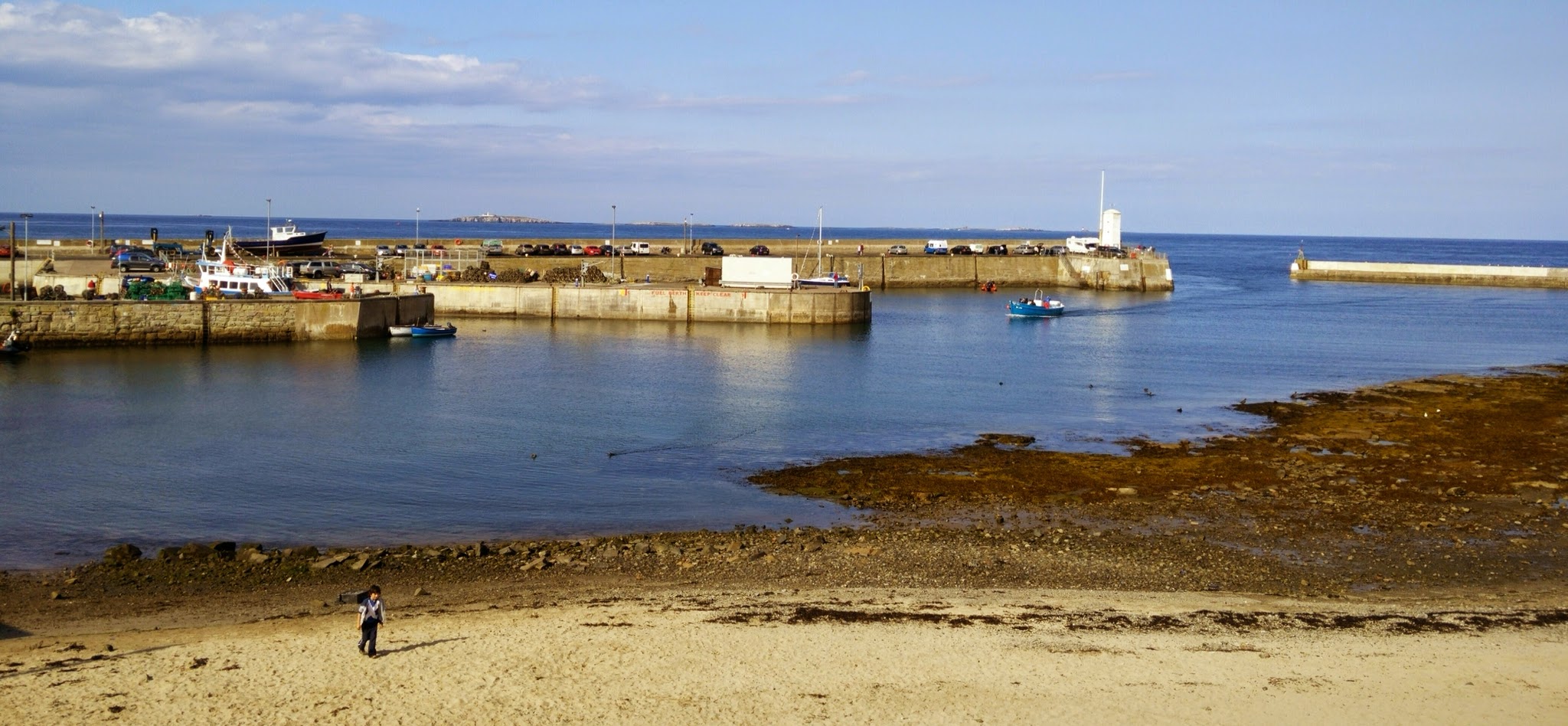
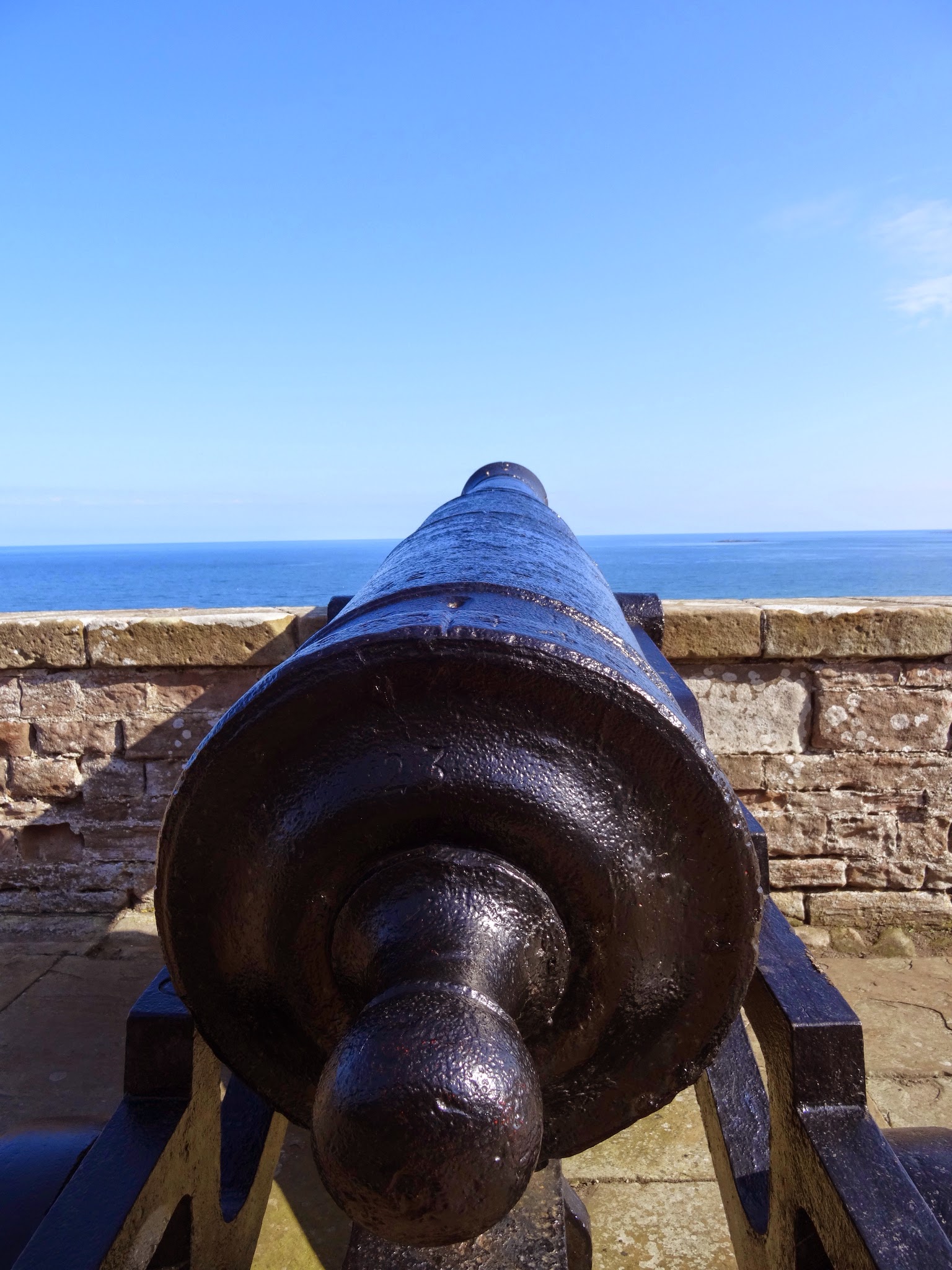

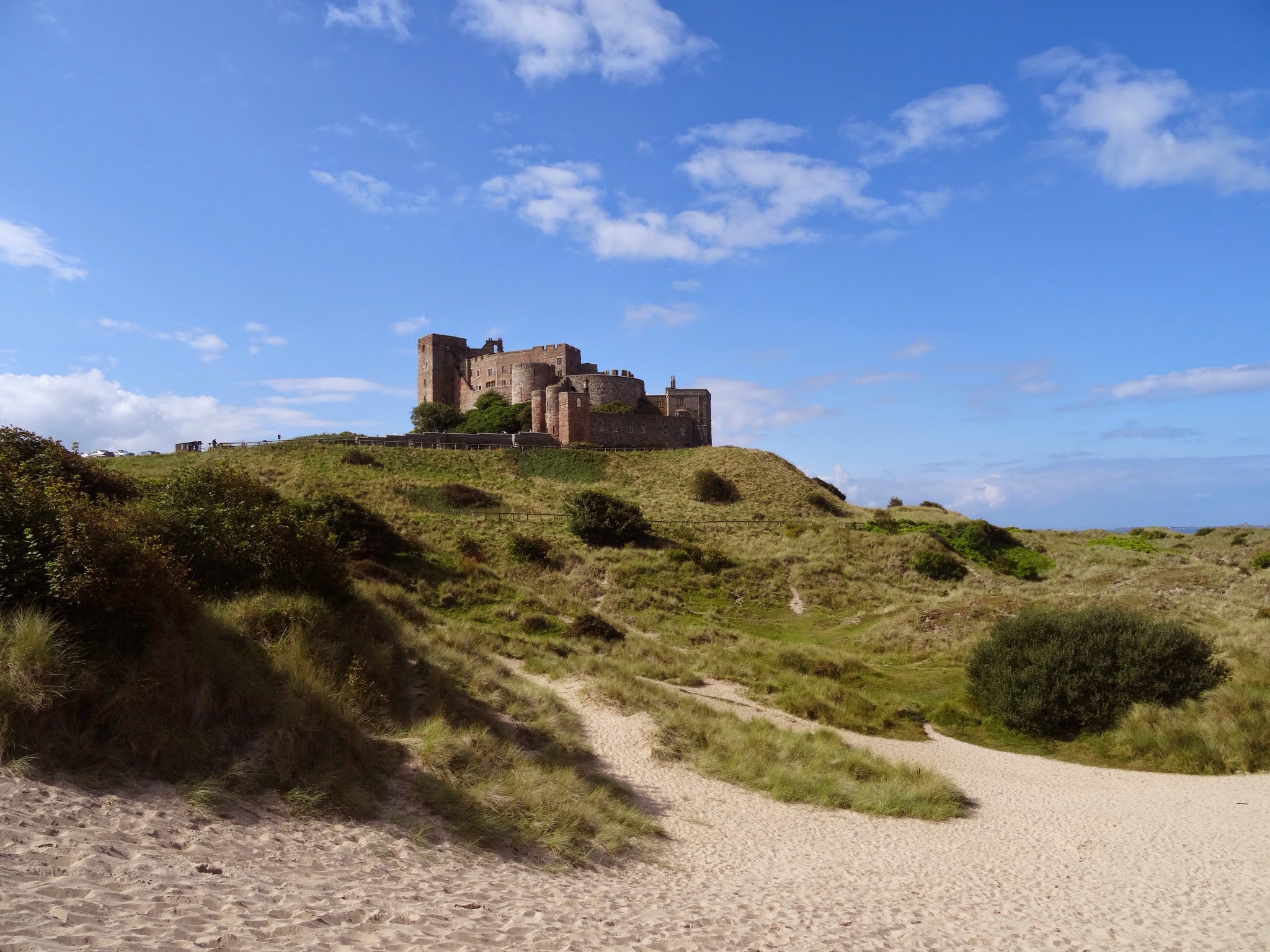
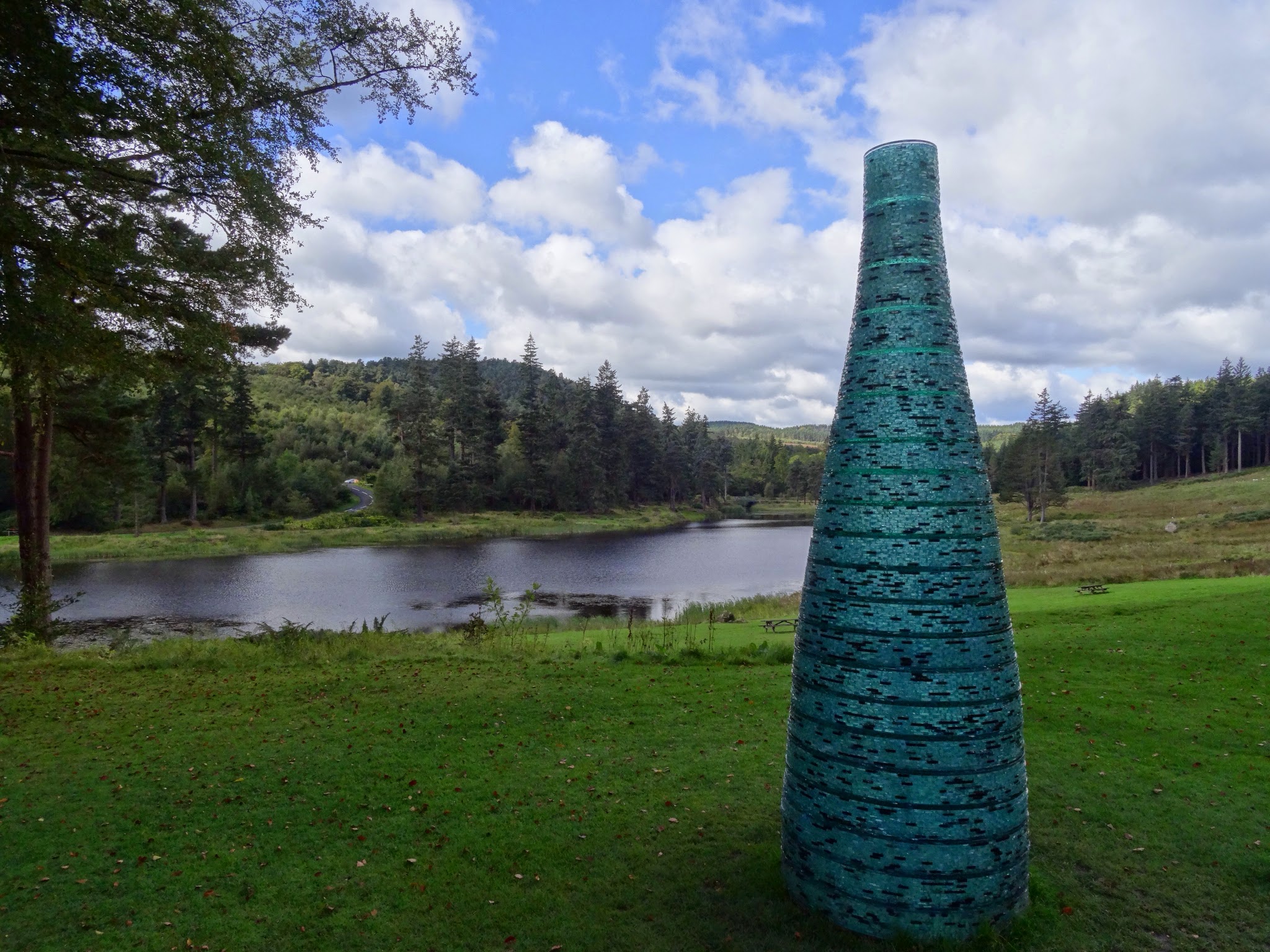
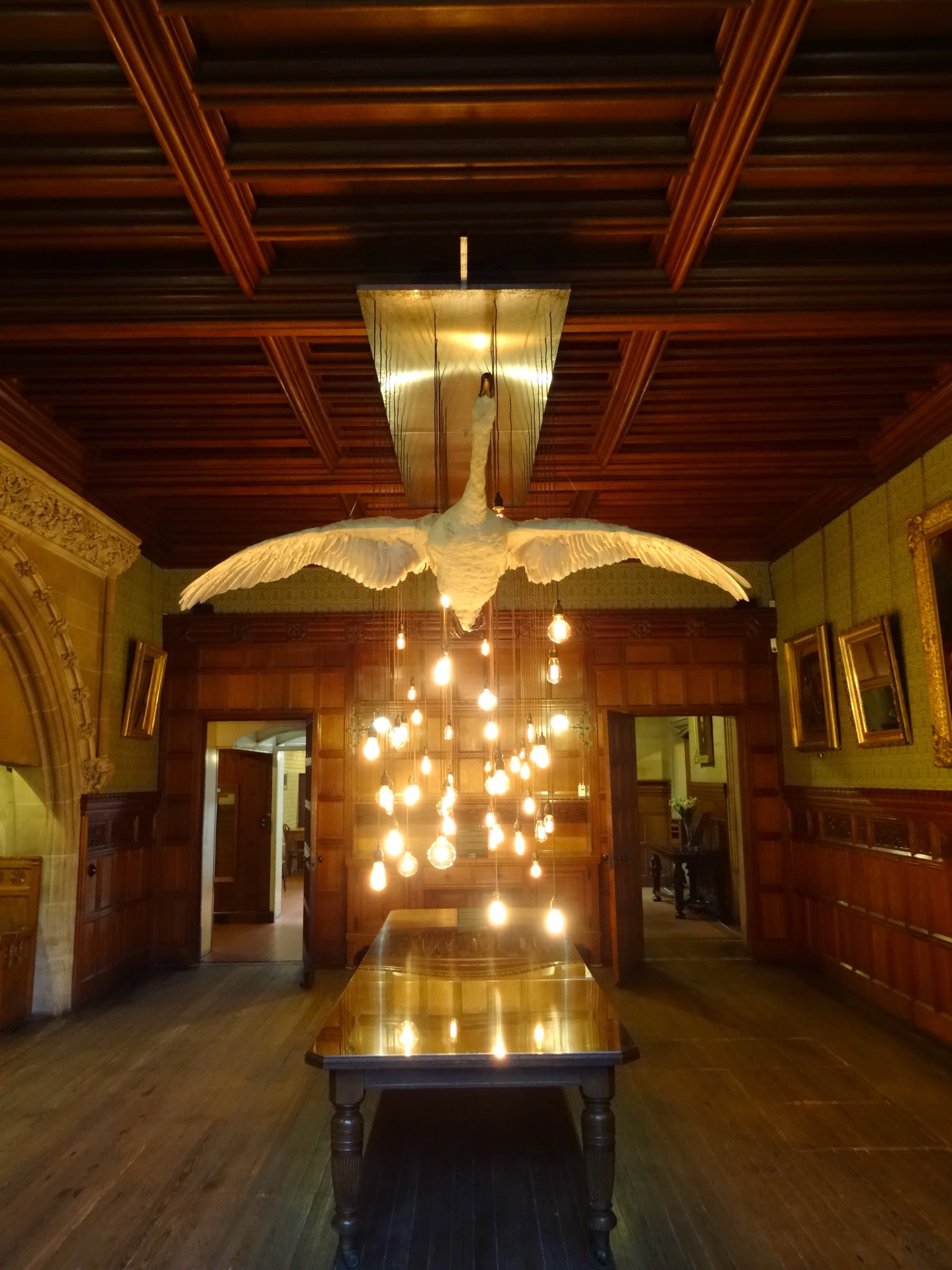
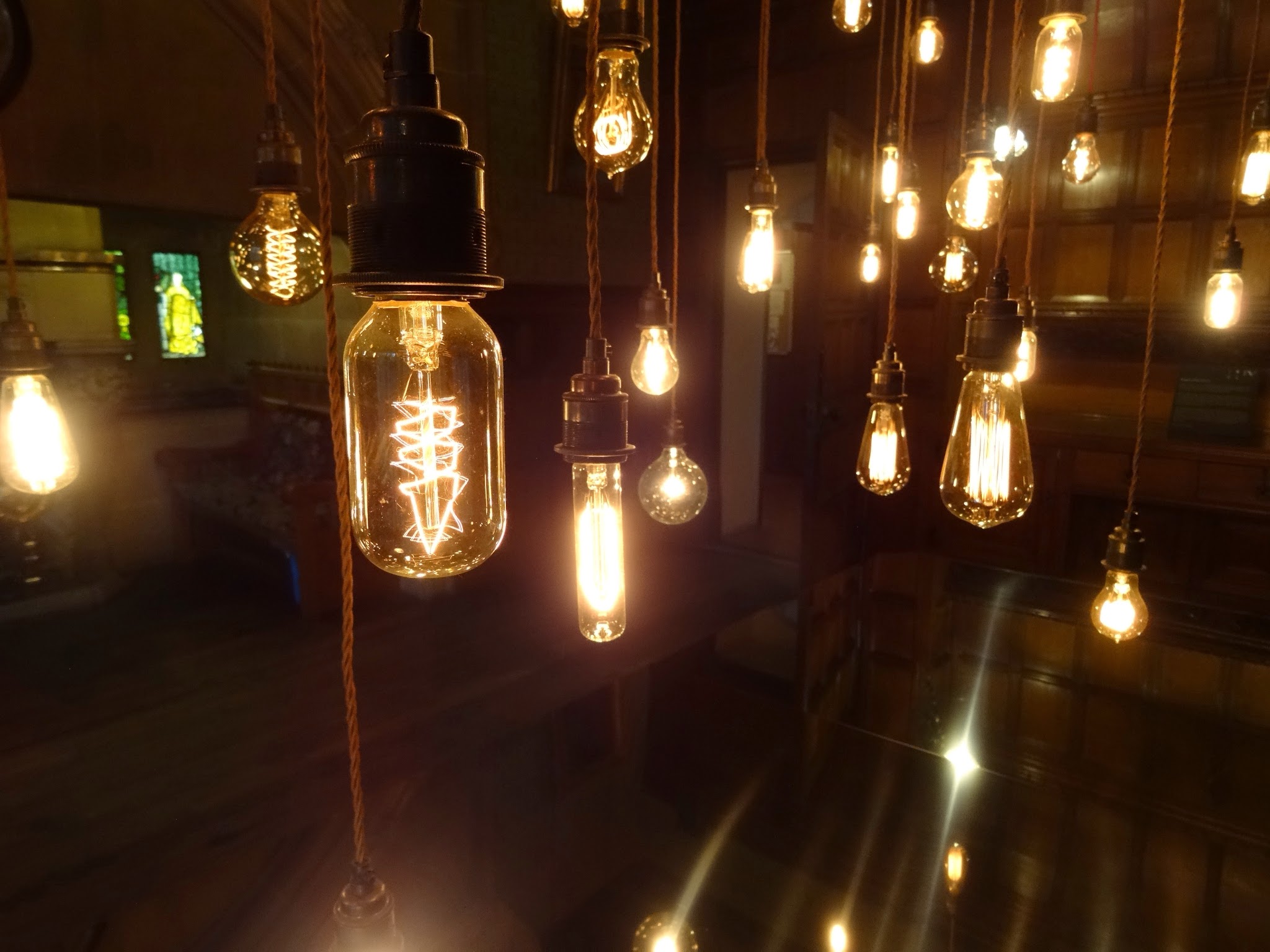
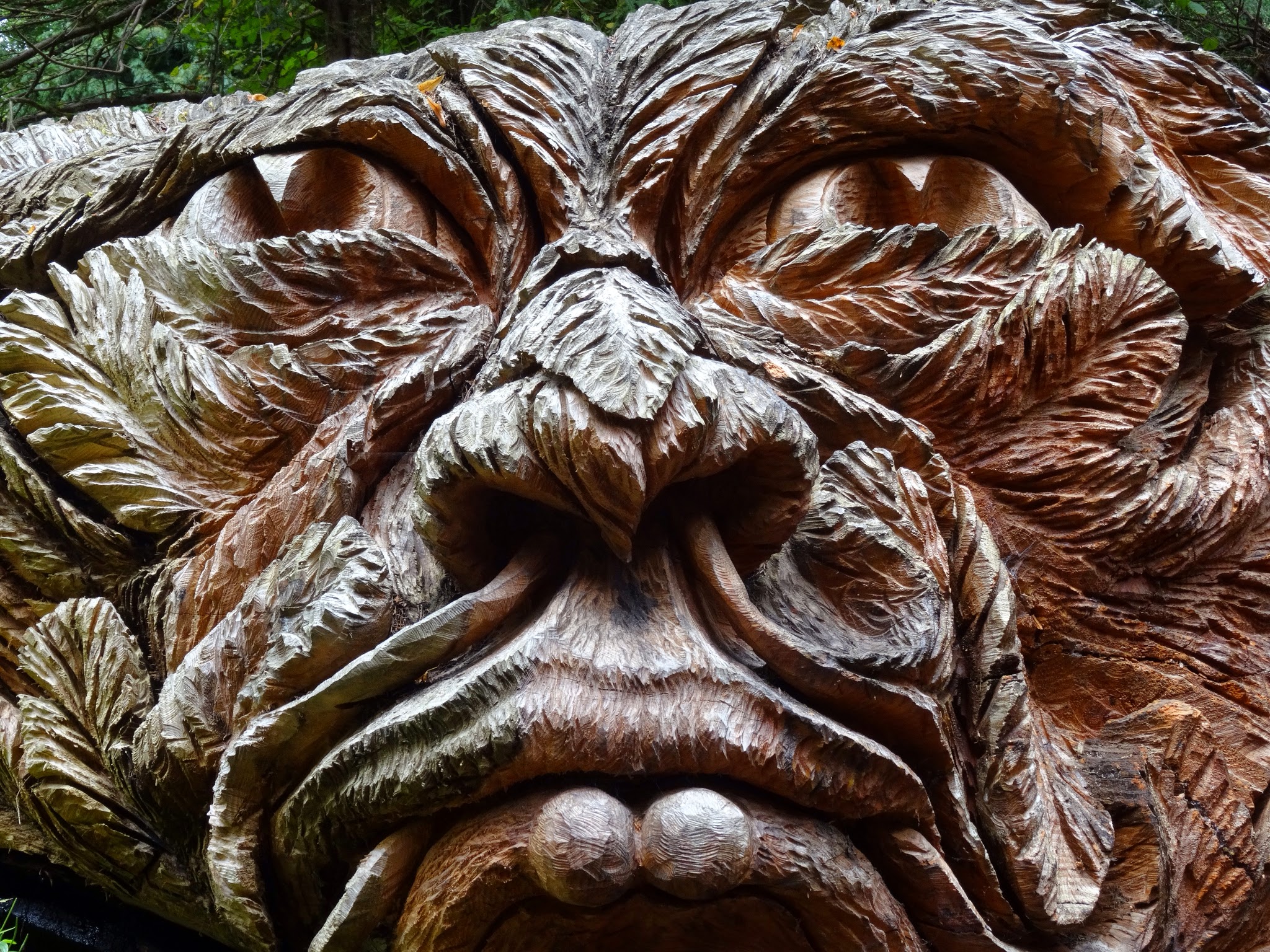

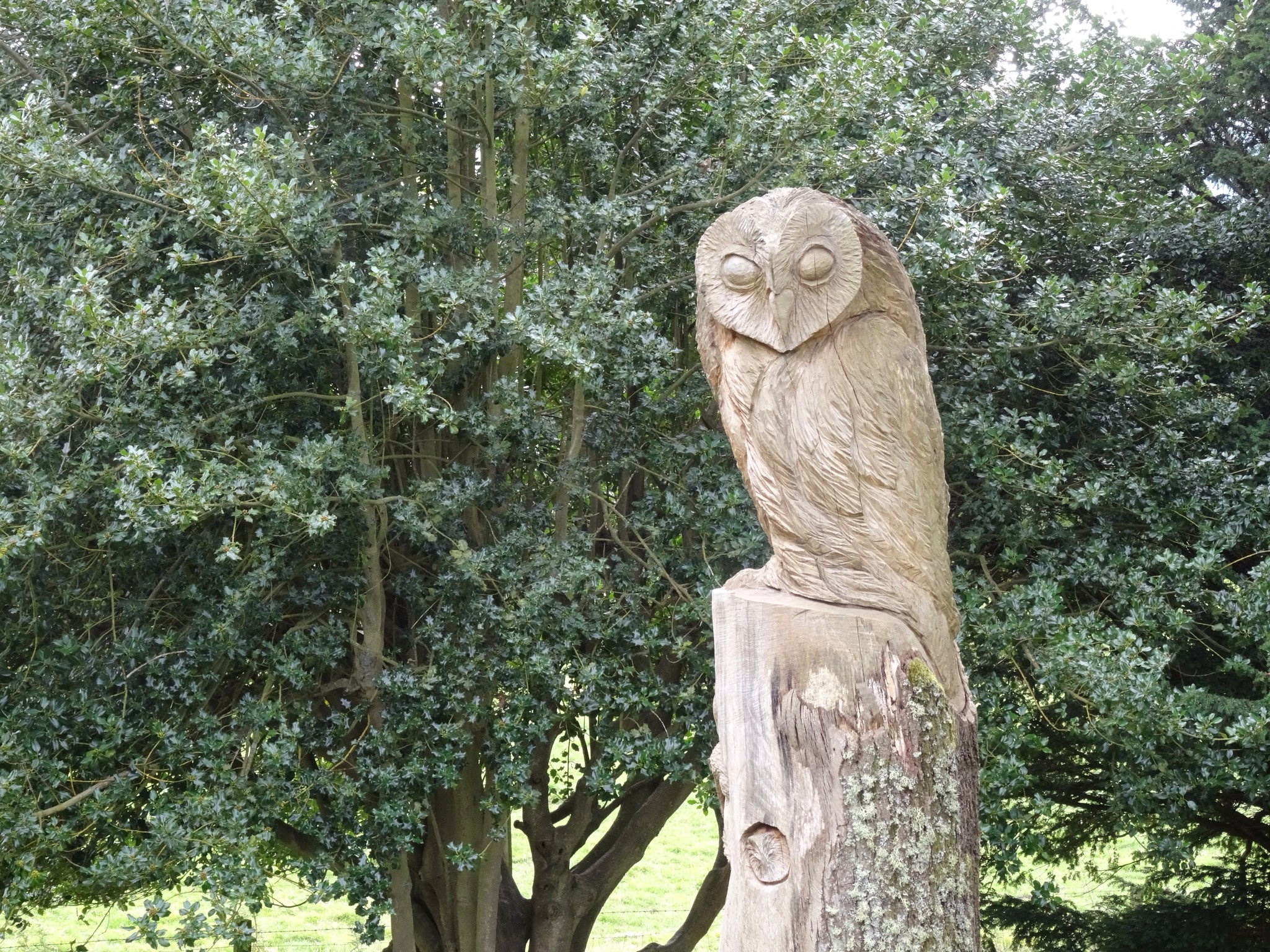

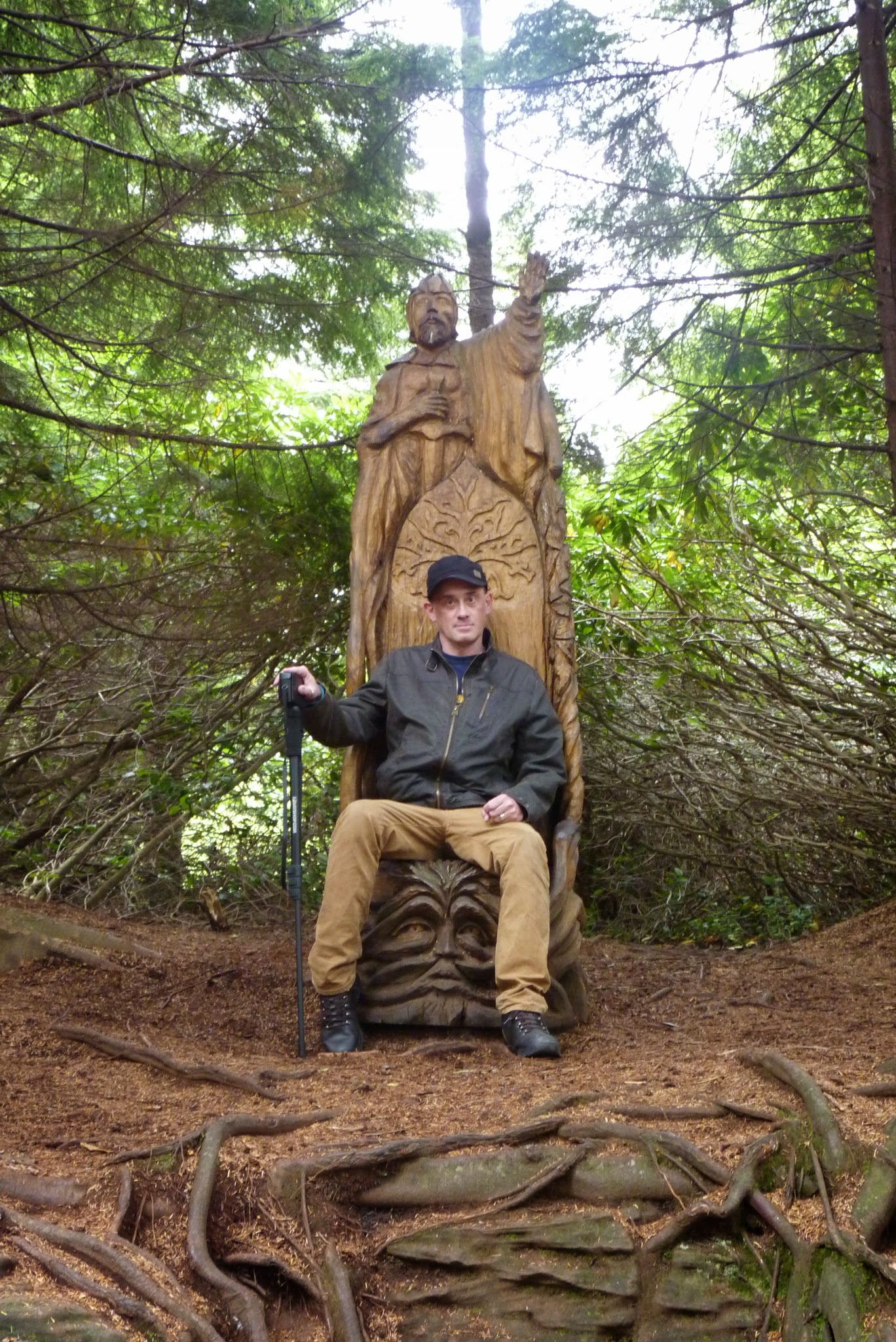
We are in The North, and in this point in proceedings, I don't wanna go back.

The American Burger
The chunk of time between sixth form and college was tough for me. I didn't get the grades I needed for university, so I had to stay behind while a lot of my friends, the best and brightest of my year, went off to study. My girlfriend was one of those that left. She went to Cambridge, and she found someone else. Someone who was, you know, there. I read the Dear Rob letter on a busy Victoria Line train into work. I burst into tears in a packed tube carriage.
Like I said, tough times.
Family life was equally interesting. Mum and Dad had split up while I was studying for 'A' Levels, and as I studied for retakes, I realised I needed to take some time away from the tumult of life with my mum and brothers. I had become one of those sensitive teenagers who wrote poetry and moped constantly. With a broken family home and my romantic life in tatters, I suffered as no young man ever had before or would after.
Christ, I was insufferable.
Dad, at the time, was living in a small house in Wanstead, and I moved in over that summer of 1985 to get my head together and sort out enough of an improvement in my grades to get the heck out of Essex. It was a peaceful time. I looked after Dad's shop (he was even good enough to call me the manager) to earn my rent and a little beer money, wrote and studied.
And Dad started to teach me how to cook. It was, he said, an essential skill for when I set off on my own. Also, he'd had to bloody learn when mum kicked him out, so he was going to pass the pain on. He had a limited repertoire, gleaned mostly from the two cookbooks on his shelf, but one treat was always his American Burgers, a recipe he'd found in a newspaper and carefully noted down in his round, solid cursive.
Common knowledge now is that burgers are at their best treated simply, with care taken as to the mix of fatty and lean meat used. Back then, Dad used what he had, knowing that the flavours and spices that went into the burger would give it the right taste. They became a weekly treat for us, one that we would often cook together, with the tape player blasting out Bruce Springsteen.
The other week, TLC and I drove up to Essex to visit the 'rents. Time has been kind. Mum and Dad got back together during my first year at college, buying a new house and making things right with each other. I had done enough to get a place at the Dorset Institute Of Higher Education (now Bournemouth University) and packed my bags for the south coast in the autumn of 1986. In one of those bags was the notebook in which I had cribbed my favourite recipes from my time with Dad. The American Burger was in there, of course. It was a connection to home, and to a peaceful, healing time.
Dad doesn't cook very often anymore, but when he does the grub is always good. We had a sort of indoor barbecue on the Saturday night, and he pulled out the big guns. The American Burger was on the menu. He still has the notebook in which he wrote the recipe, stained and brown from decades of use. The Burger tasted just as delicious as it always had. I had no Proustian moment connecting me to the tumultuous past, no great epiphany. But I have fond memories of cooking with my Dad in that summer, as he and Mum gently negotiated a truce, then the rebudding of a romance.
I'd like to share that recipe–as best I can, anyway. You can't get the Knorr onion soup mix it recommends any more, so you'll have to manage with what you can find. Dad uses an Ainsley Harriott mix, if that's any help. If you do have a fatty mince blend, then you can probably get away without the egg. But try it as is, just to give you an idea of the flavours of my bumpy adolescence.

AMERICAN BURGERS
- 1lb minced beef
- half-package Knorr dried onion soup mix
- one raw egg
- seven squirts, Lea & Perrins Worcestershire Sauce
- three squirts of Tabasco
- one tablespoon of Daddie's Sauce
- four shakes of garlic salt
- half a chopped onion
Mix together. Makes 3
Cook in hot frying pan, cover, 2-3 minutes each side.
Extras:
- white sesame-seed bun
- iceberg lettuce
- Kraft cheese slices
Bruges: Art, Architecture And Mortality
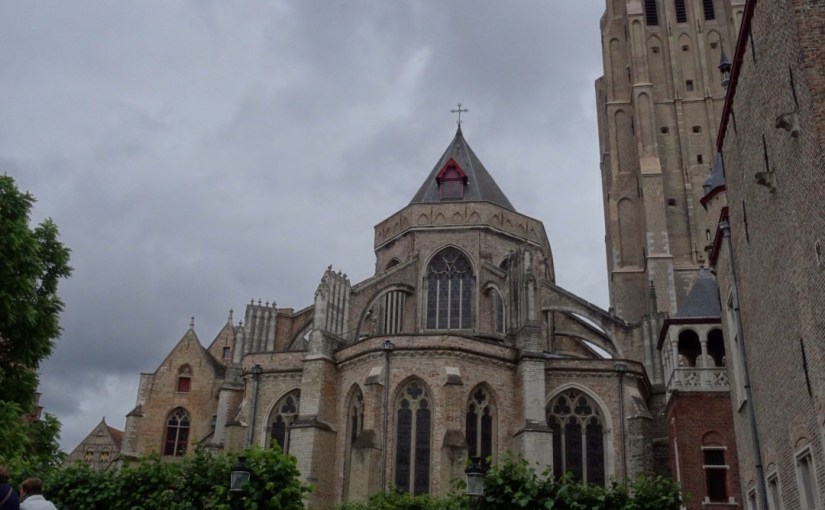
Bruges is a curious town. It's almost a bubble: a city that's also a World Heritage Site, a place that is home to hundreds of thousands of people, yet contains more functional medieval buildings per square foot than nearly any other urban centre on the planet. Ringed by a canal and a four-lane highway, Bruges is a place out of time, and one that embraces that most modern of money-making activities: tourism.
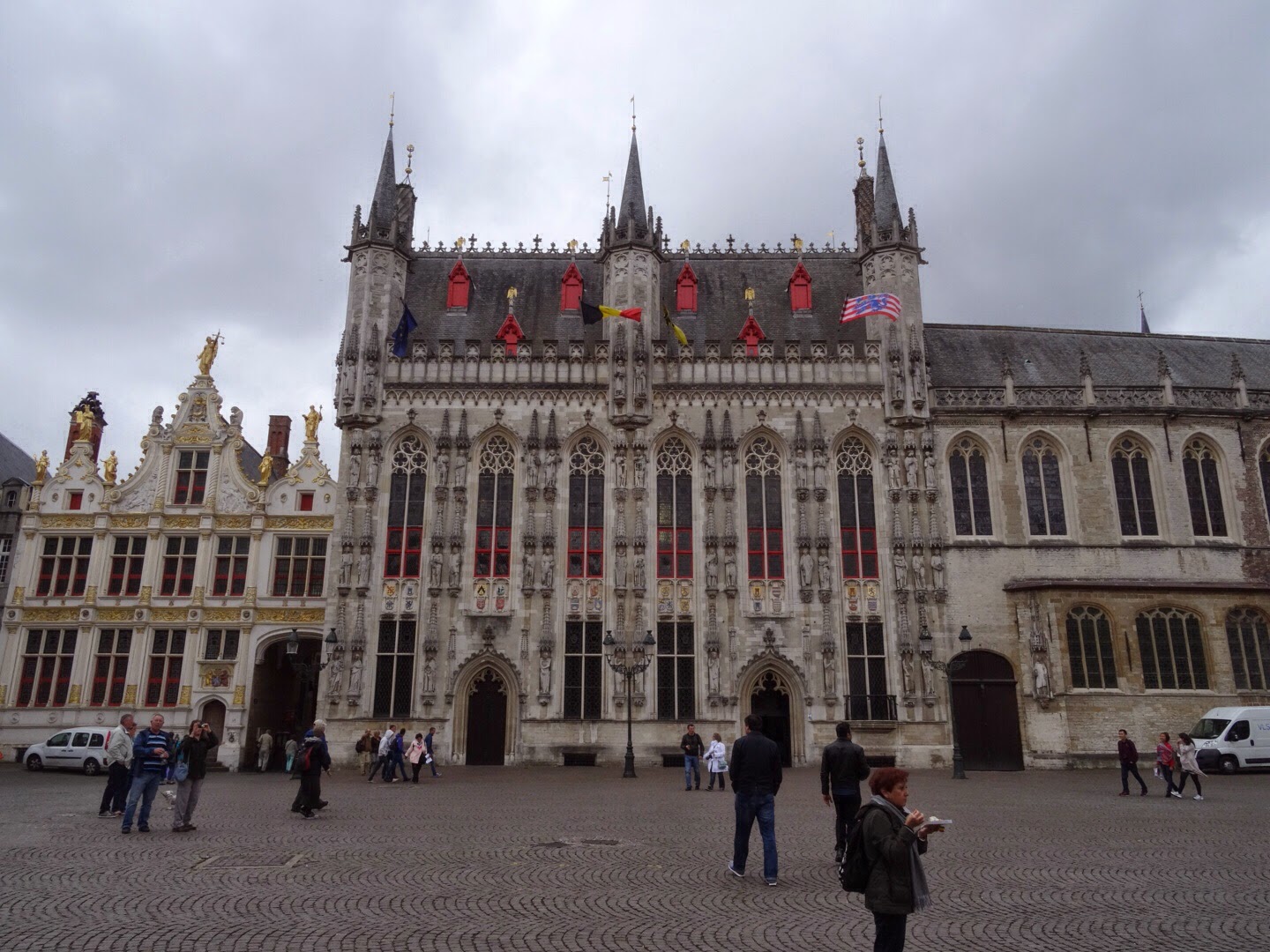
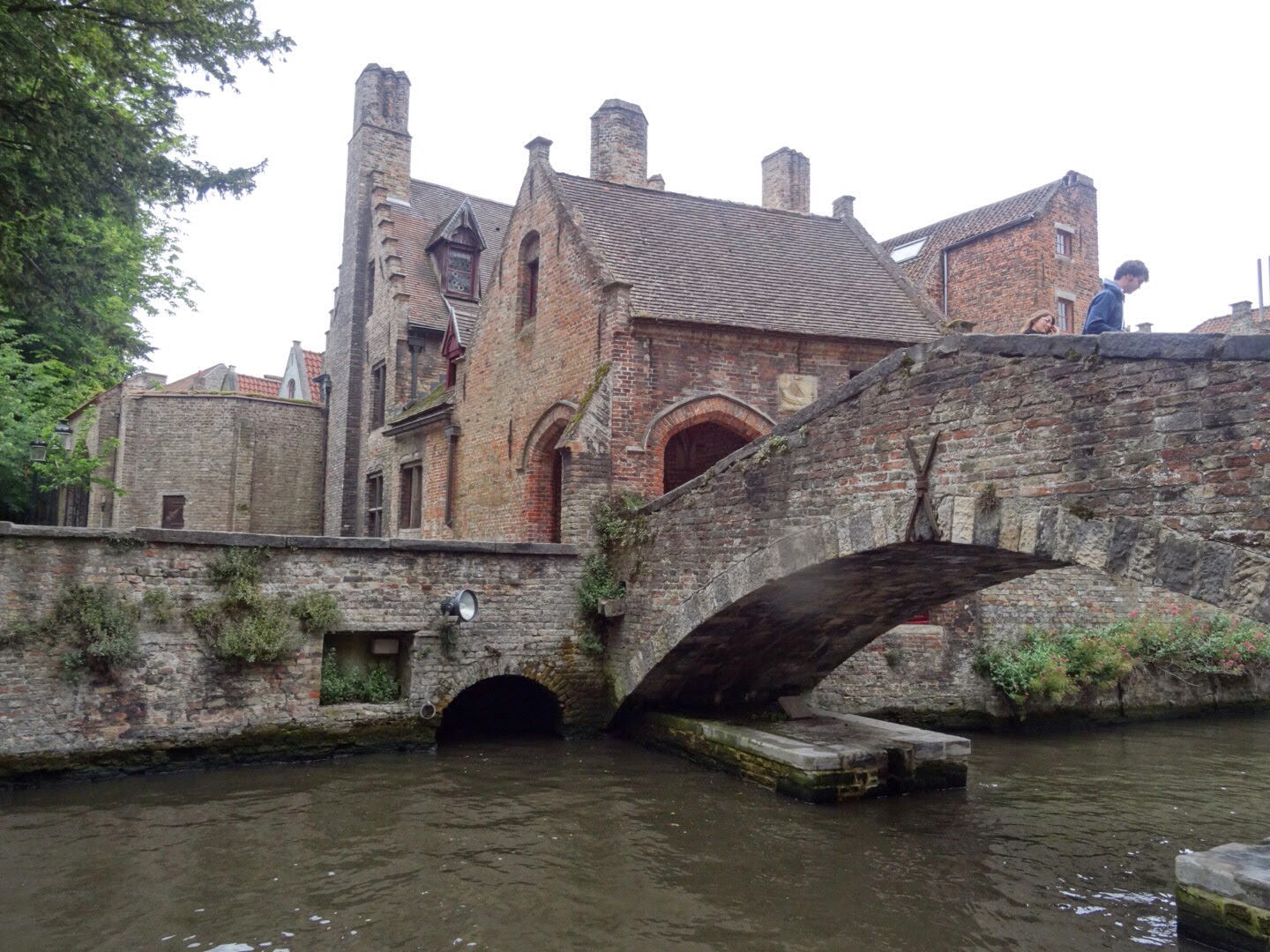
It is, without a doubt, an astonishingly pretty town. Centred on the town square, the Markt, Bruges is stuffed with ancient churches, beautiful statuary, imposing public buildings and many, many low-ceilinged dim little bars. Everywhere's walkable or, if you like, it's even quicker to whizz around on a bike. The canals that cut through the city are well worth a boat tour explore, giving you a different perspective on a place that offers new camera-fodder with every corner. There are many bridges but one, overlooking a weeping willow, is one of the most photographed sites in Europe. Cars are tolerated but, in the civilised fashion of most towns in the Low Countries, they're viewed as second-class citizens: on the narrow, winding streets of Bruges, the motor car is a liability.
The town is almost an gallery in itself, a lasting tribute to the explosion of artistic invention that came out of Belgium and Holland in the 14th and 15th centuries. The work of the Flemish Primitives and the sacred art that came before it is celebrated in the Groeninge Museum, which houses a wealth of local masterpieces. Medieval art has always been a bit of a slog for me, to be honest: shonky anatomy, static, lifelike poses and occasionally shocking bursts of violence. The Death Of Marcus Lucinius Crassus by Lancellot Blondeel is a sweetly rendered pastoral scene with… hang on, what's that in the corner? Ah, there's Crassus, tied to a rough framework of branches, having hot lead poured into his screaming maw. The surrealists at the end of the show are more to my tastes, with pride of place going to a Magritte. His calm, dry wit is a welcome tonic to the shrieking gilt-caked lunacy of the Flemish masters.
A ticket to the Groeninge Museum also gets you into the Arentshaus, and I can't recommend this highly enough. Home to works by Frank Brangwyn, a member of the Arts And Crafts movement in the UK who studied under William Morris, I instantly felt at home. His etchings, prints and linocuts have a fluid, joyful muscularity that manages to blend a sympathy with the human condition with a celebration of the everyday achievements of the working man. As a comics fan, I was reminded of Joe Kubert and Barry Windsor-Smith. As an art-lover, I was brought almost to tears by his astonishing series of lithographs depicting the passion and crucifiction of Christ. A must-see, to my mind. Also visit the garden, which contains four statues of the Horsemen Of The Apocalypse. Armoured, insectile and terrifying, they're part Terminator, part Dark Judge, all mean.


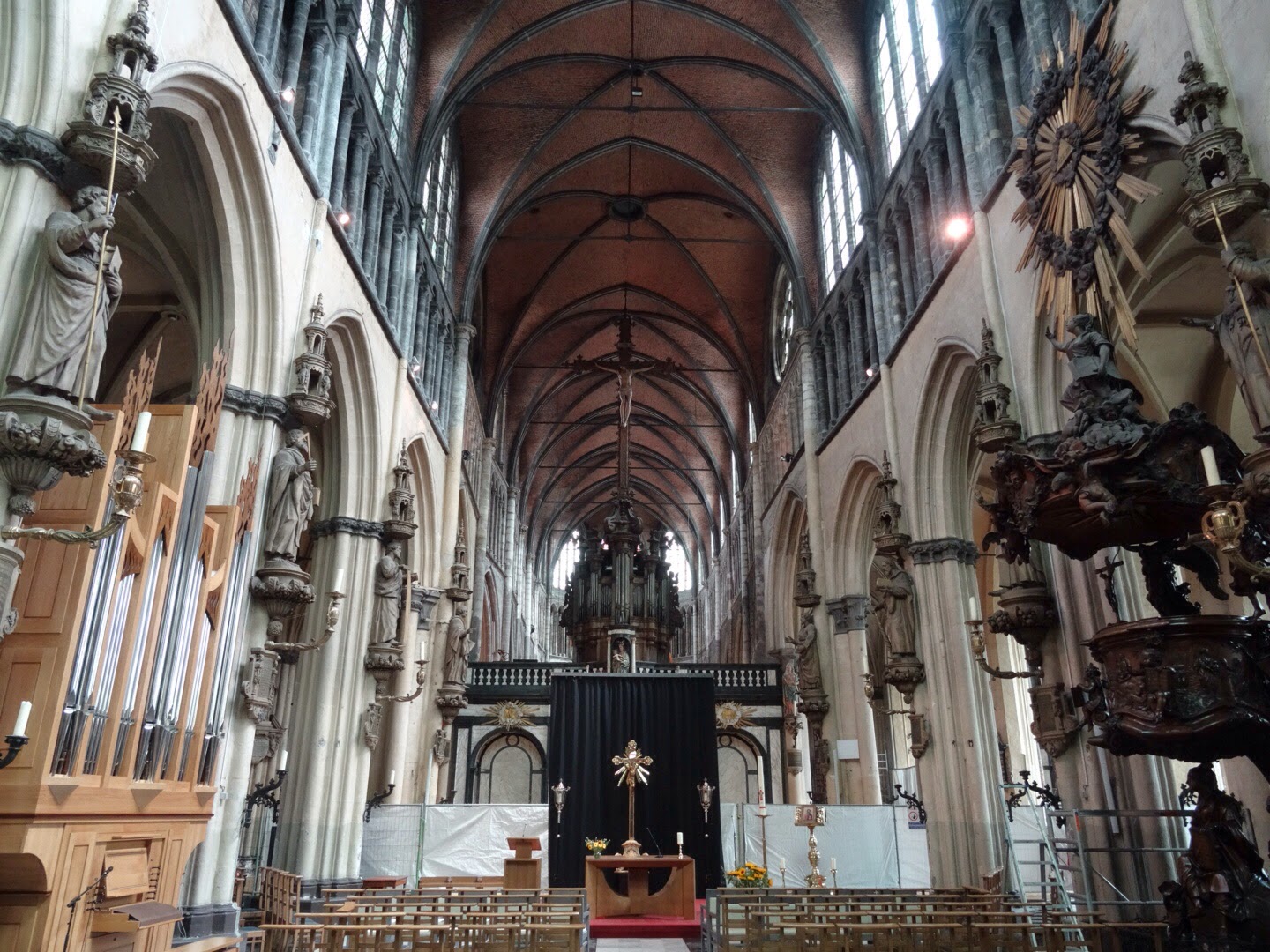
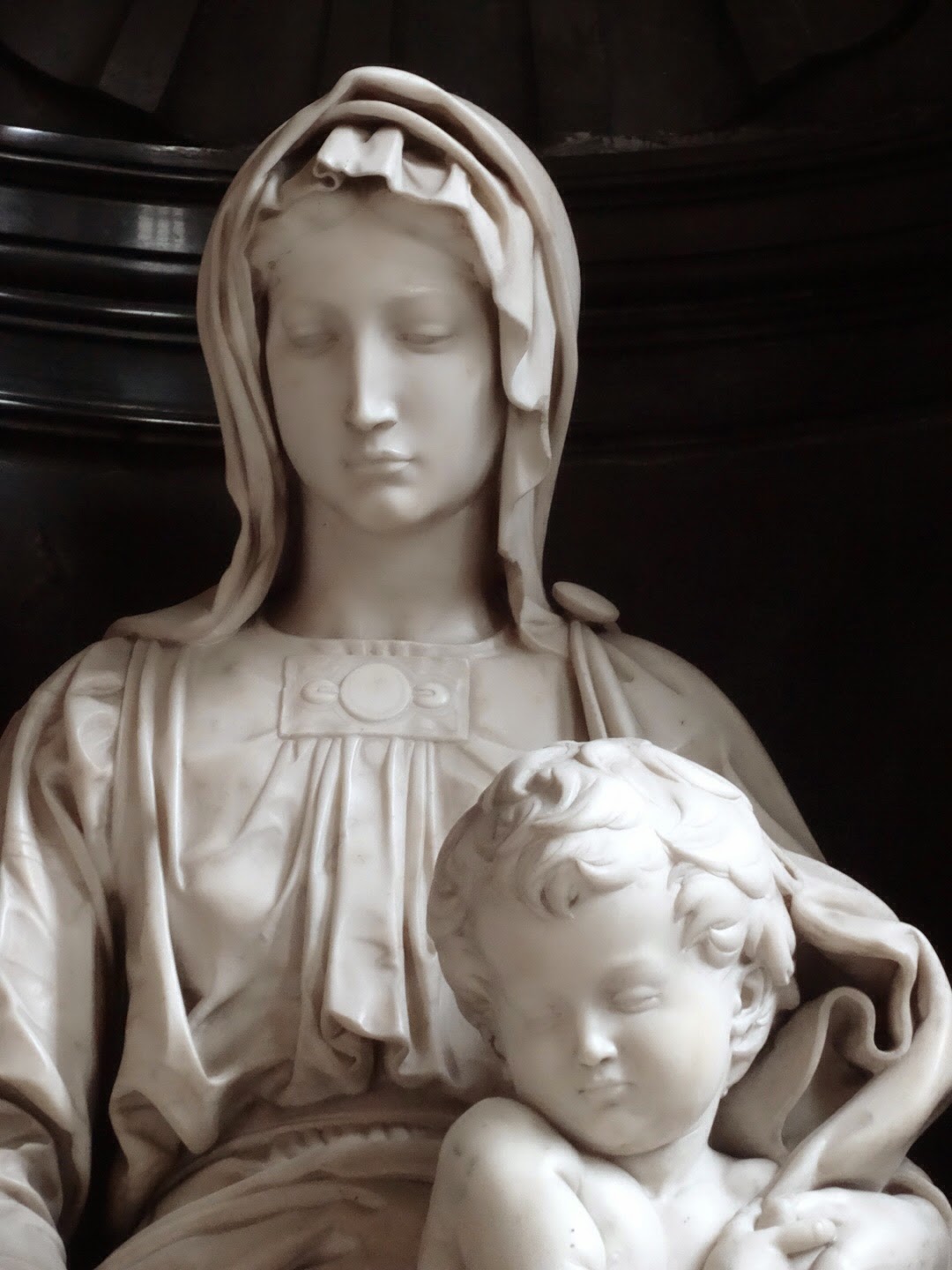
A five minute walk brings you to The Onze-Lieve-Vrouwekerk (Church Of Our Lady), which houses a Michelangelo Mother And Child in marble. Her calm serenity is breath-taking, and seems a perfect fit in a building that, while imposing, serves as an engine of faith to the Roman Catholic community that use it on a daily basis. There's nothing uppity about Michelangelo's Madonna. She and her child are at peace with the world.
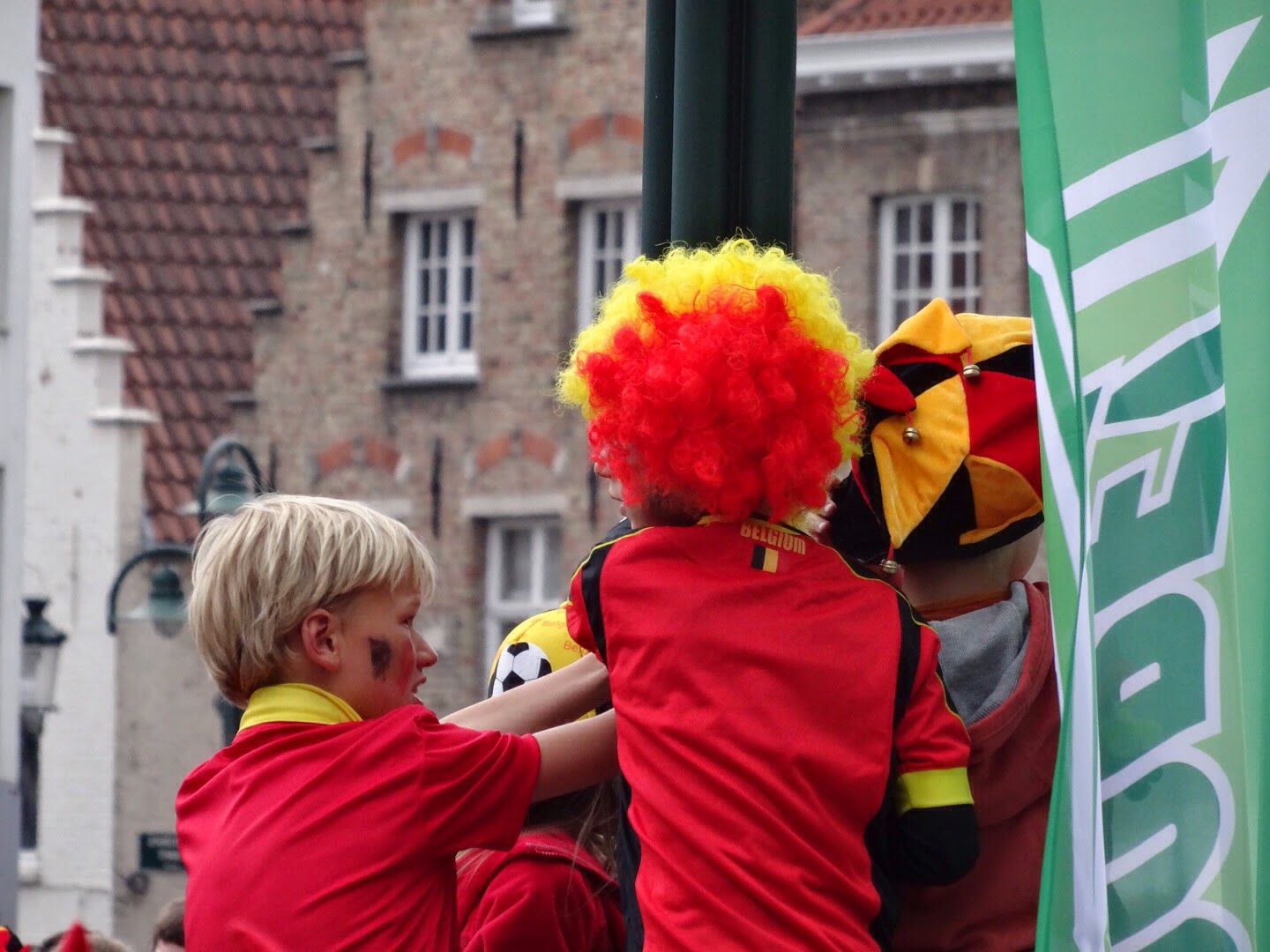
Modern art gets more of a showing than you might expect in an old town like Bruges. The old St. John's Hospital, next door to the Church Of Our Lady, has a permanent exhibition of Picasso and his contemporaries (featuring, at the time of writing, a showing of Andy Warhols). There's a Dali museum on the Markt, and a cluster of sharp-edged modern statues on t'Zand, to the west of the centre. This is also home to the new Concert Hall and, while we were visiting, a big screen showing Belgium's first World Cup match. The big square was full to bursting with football fans in black, red and yellow, draped in flags and wearing foam afros. An example, perhaps, of an art happening for and by the people.
I haven't mentioned comics yet. How silly of me. The Belgians love their comics–how could they not in the birthpace of the sainted Hèrge? On this visit we sadly didn't make it to Brussels, which wears its love of the Ninth Art firmly on its sleeve, to the point of hosting a Museum Of Comics History. But Bruges has its own little corner of comics nirvana; De Striep, on Kaeterinastrass. On the outside it looks a little underwhelming, but once inside the place opens up like a puzzlebox. There's a gigantic range of bande desineé in Belgian, French and yes, even English. Upstairs houses a great range of prints and artbooks, and the secondhand shelves at the back are a treasure-trove of goodies. If you're a comic fan, you owe it to yourself to visit and support De Striep. I certainly found it tough to drag myself away.


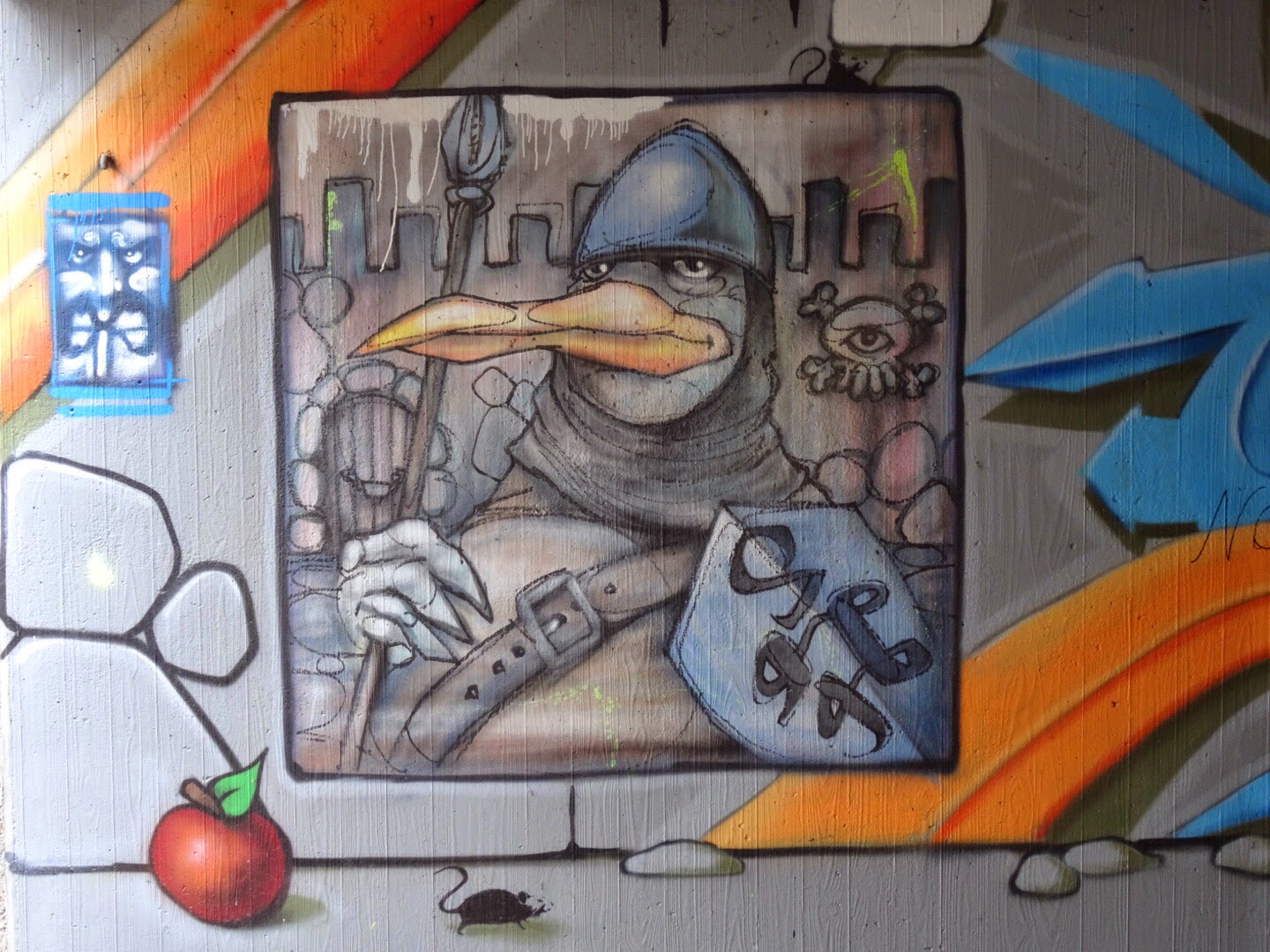
As I said at the start, Bruges is a curious place. It's easy to buy chocolate, yet surprisingly tough to get a pint of milk. The bars are full every night, yet there's no real sign of trouble even late at night. If anything, the streets are eerily quiet after hours. Apart from one sanctioned underpass on the way to the train station, there's no graffiti or street art to be seen. Possibly the odd sticker on a lamp-post. It's very clean and very friendly. You do get the feeling that there's an element of theme park about the whole place, particularly at weekends when coach parties and school trips descend and the streets clog.
Nevertheless, it's a fun place to visit, with plenty to see and admire. It's perfect for a long weekend, and very romantic. Just make sure to leave room in your luggage for the chocs and beer that you'll need to bring back with you.

TLC has posted an evocative Flickr set of our travels: check it out.

Fodderblog: Bruges
You will struggle to go hungry on a visit to Belgium. There's just too much on offer.
Sorbet Colonel
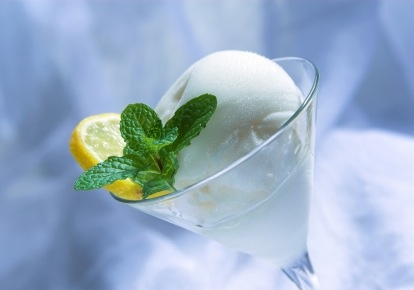
Last night, I finished my meal with a refreshing, traditionally Flemish dessert: Sorbet Colonel. It's light, simple, and surprisingly easy to recreate at home.
Take a chilled ice cream glass, one of those flutey numbers that looks like a frilled petticoat in motion. Half fill it with vodka. Top with two scoops of lemon sorbet. Eat, feeling the chill of the ice play enticingly against the burn of the raw alcohol. You'll end up with a cold slurry of molten sorbet mix and vodka in the bottom of the glass. It's perfectly acceptable to drink this off while loudly declaiming a toast to The Colonel, whoever he may be. Well, I hope it's acceptable, because that's what we did.
Greetings from Bruges, where booze is part of the culture, history and religion of the city, as well as being the national sport. Sköl!

In Bruges
Next week, Excuses and Half Truths will be reporting from Belgium. A place where cultural boundaries blur and blend, a hub of European commerce, trade and co-operation.
We'll be looking at the culture and Art Nouveau architecture of historic Bruges and paying a visit to stunning, medievel Ghent. In the interests of our Fodderblog fans, we'll sample the best food and drink that Belgium has to offer. There's more to the place than beer and sausages, you know. Although I am looking forward to the beer and sausages.
We'll also take a look at the rich art scene in Bruges, home of the master of surrealism Rene Magritte. And it wouldn't be Excuses And Half Truths without a focus on one of Belgium's great passions: comics. From the birthplace of Hergé, how could it be otherwise?
Join us, whydoncha, and TLC and I take a week off… in Bruges!

Killing With Kindness: X&HT Saw Swans
In 2002, I was was swimming in Australia when I was caught in a riptide. Continue reading Killing With Kindness: X&HT Saw Swans
 EXCUSES AND HALF TRUTHS